
Jan 14, 2026
In blow molding production, machine speed plays an important role in overall output, cost control, and delivery efficiency. Many customers notice that even with similar machine models, actual production speed can vary. This is because blow molding speed is influenced by multiple factors working together, not by a single setting.
1. Machine Structure and Automation Level
The structural design of a blow molding machine, such as single-station, multi-station, or rotary systems, directly affects cycle time. A higher level of automation allows smoother coordination between extrusion, mold closing, blowing, and product take-out, resulting in faster and more stable production.
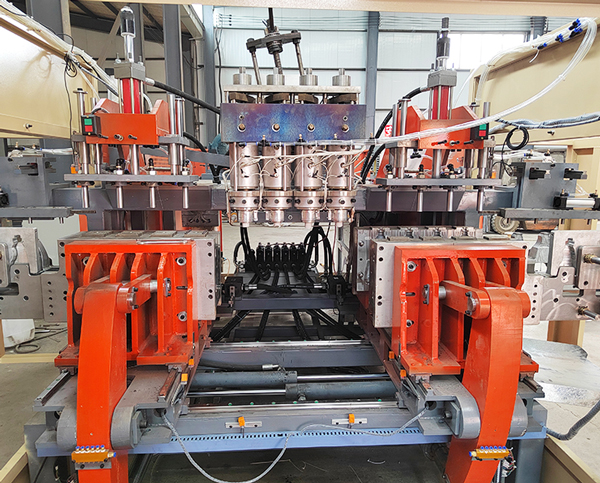
2. Heating System Performance and Temperature Control
A stable and efficient heating system ensures that the parison reaches the correct forming temperature quickly and evenly. Faster heating with accurate temperature control reduces waiting time and allows the machine to maintain a higher production speed without compromising product quality.
3. Raw Material Characteristics and Compatibility
Different materials, such as PP and HDPE, have different melting points, flow behavior, and cooling characteristics. When material properties are not well matched to the machine configuration, production speed often needs to be reduced to avoid defects and maintain consistency.
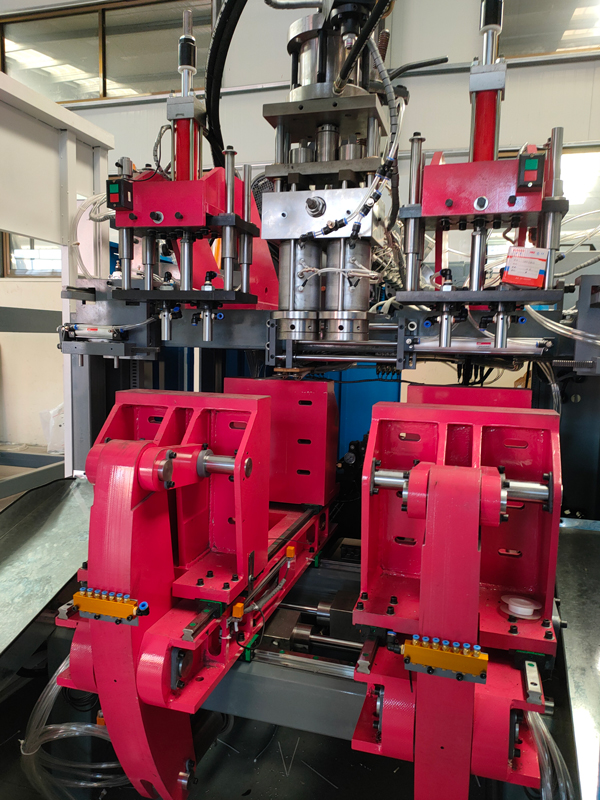
4. Mold Design and Cooling Efficiency
Mold structure, air venting, and cooling system design have a direct impact on cycle time. Insufficient cooling is one of the most common limitations on high-speed production, while well-designed molds help shorten cooling time and improve output efficiency.
5. Product Weight and Structural Complexity
Product weight is one of the key factors affecting production speed. Heavier products usually require longer extrusion, blowing, and cooling times to ensure stable wall thickness and dimensional accuracy. Lighter products, on the other hand, can be produced in shorter cycles and are more suitable for high-speed production.
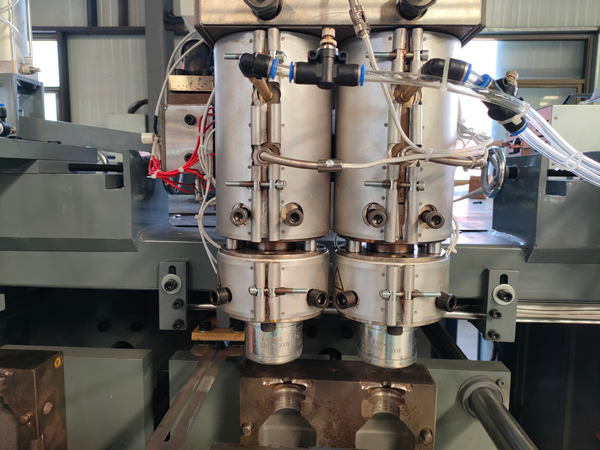
6. Process Parameter Settings and Operator Experience
Even with the same machine, different process settings can lead to different production speeds. Skilled operators can adjust parameters based on product weight, material behavior, and mold design, achieving a better balance between speed and product quality.
7. Machine Maintenance and Operating Condition
Stable high-speed production depends on proper machine maintenance. Wear in hydraulic, pneumatic, or transmission systems can limit speed and increase the risk of downtime, reducing overall productivity.
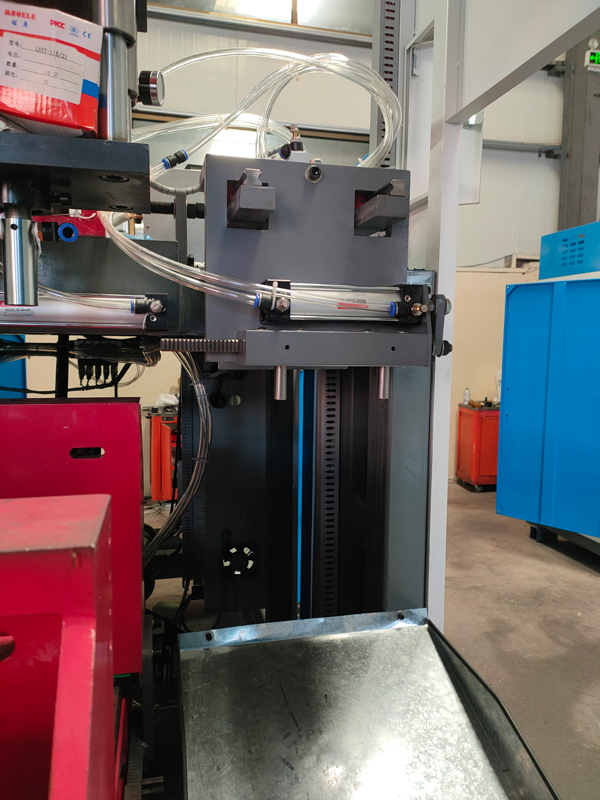
8. Product Quality Requirements and Application Standards
For products with higher requirements for appearance, strength, or sealing performance, production speed may need to be controlled more carefully. In many cases, a slightly slower cycle ensures a higher pass rate and more reliable output.
In conclusion, the production speed of a blow molding machine is determined by a combination of machine design, product weight, mold performance, material properties, and process control. By selecting the right equipment and continuously optimizing production parameters, manufacturers can achieve efficient, stable, and high-quality blow molding production.