
Oct 21, 2026
The best resin materials for extrusion blow molding can make a significant difference in product quality. Choosing the right plastic resin is crucial for manufacturing bottles and containers. Many manufacturers face challenges in selecting materials that offer durability and efficiency. Common issues include brittleness, weight, and structural integrity. Understanding the properties of different resins will help you avoid costly production errors. This article will explore the best options available in the market.
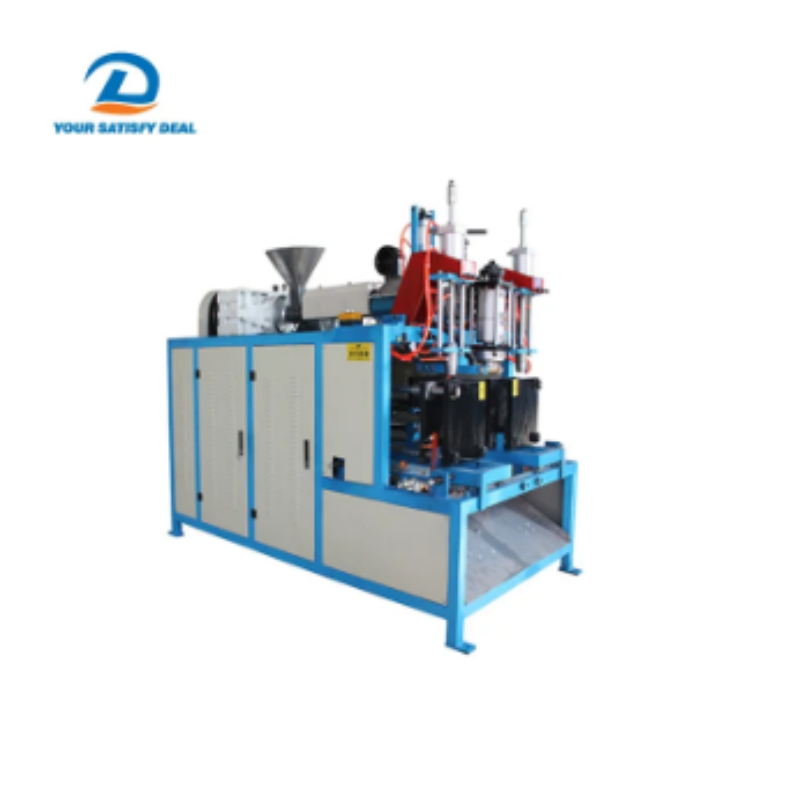
The best resin materials for extrusion blow molding include polyethylene, polypropylene, and PVC due to their excellent processing properties and versatility.
Polyethylene is the most commonly used resin for blow molding. It offers excellent chemical resistance and impact strength. It is lightweight and can be easily processed. PE is also affordable, making it a popular choice in the industry.
Polypropylene is another excellent material for blow molding. It has a higher temperature resistance than polyethylene. This makes it suitable for products that may encounter heat. Additionally, PP has good chemical resistance and is easy to mold.
PVC is known for its rigidity and strength. It is ideal for making durable containers and pipes. PVC can withstand harsh weather conditions, making it a viable option for outdoor products.
PET is widely used for beverage bottles. It has excellent clarity and strength, which is important for consumer products. PET is also recyclable, making it a more sustainable choice.
Polystyrene is a versatile resin that can be used for lightweight products. It offers good clarity and can be easily shaped. However, it is more brittle than other options.
Nylon can be used for more specialized applications, such as those involving high strength and heat resistance. It is often used in industrial settings.
| Resin | Strength | Temperature Resistance | Cost | Recycling |
|---|---|---|---|---|
| Polyethylene | High | Low | Low | Yes |
| Polypropylene | High | Medium | Low | No |
| PVC | Very High | Medium | Medium | No |
| PET | High | High | Medium | Yes |
| Polystyrene | Medium | Low | Low | No |
| Nylon | Very High | Very High | High | No |
To select the best resin, you must first assess your product's requirements. Analyze factors like strength, temperature resistance, and cost. Make a list of must-have properties to narrow your choices.
Before committing, conduct tests on a small scale. This will allow you to evaluate performance and processing. Running trials helps in avoiding potential production issues.
Consulting with industry experts, like those at Cangzhou Yi Sunda Mechanical Technology Co.,LTD, can provide valuable insights. They can guide you in resin selection based on your specific needs.
Choosing the best resin materials for extrusion blow molding is crucial for the success of your manufacturing process. Polyethylene, polypropylene, PVC, PET, polystyrene, and nylon all have unique properties that serve different applications. By understanding these materials, you can optimize product quality, reduce costs, and enhance production efficiency.
Extrusion blow molding is a manufacturing process that shapes plastic into hollow products.
The right resin provides durability, impacts production efficiency and affects the final product's quality.
Yes, products made from recyclable resins like PET can be recycled.
Common applications include bottles, containers, and various industrial parts.
Different resins have varying temperature tolerances. Selecting a resin that can handle the intended environment is crucial for performance.
Yes, there are ongoing advancements in materials and machinery that improve efficiency and sustainability in blow molding.