Jul 08, 2026
Choosing the right plastic manufacturing process is essential for producing high-quality products efficiently and cost-effectively. The comparison of blow molding vs injection molding is one of the most common questions manufacturers face when selecting production equipment.
Both processes are widely used in packaging, automotive, medical, household products, and industrial applications. However, they differ significantly in production methods, product types, tooling costs, and manufacturing efficiency. In addition, many manufacturers also compare extrusion vs injection molding to determine the best solution for their production needs.
Understanding these differences helps businesses select the right Blow Molding Machine and optimize their manufacturing processes.
As a professional plastic machinery manufacturer, Yi Sunda provides reliable Blow Molding Machine solutions designed for high productivity, energy efficiency, and consistent product quality.
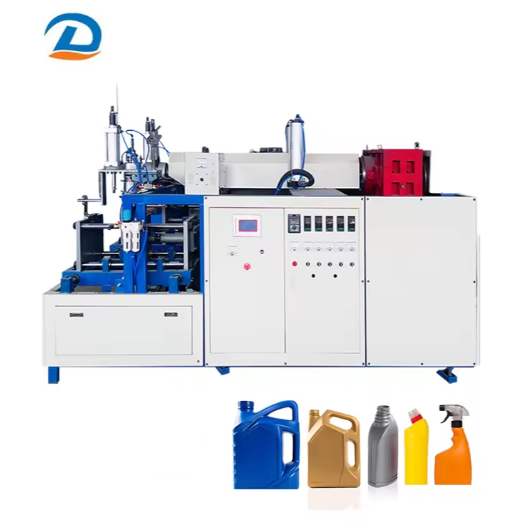
Blow molding is a manufacturing process used to produce hollow plastic products. During the process, molten plastic is formed into a tube called a parison, placed inside a mold, and inflated with compressed air until it conforms to the mold cavity.
The typical production process includes:
This process is ideal for producing lightweight hollow plastic containers.
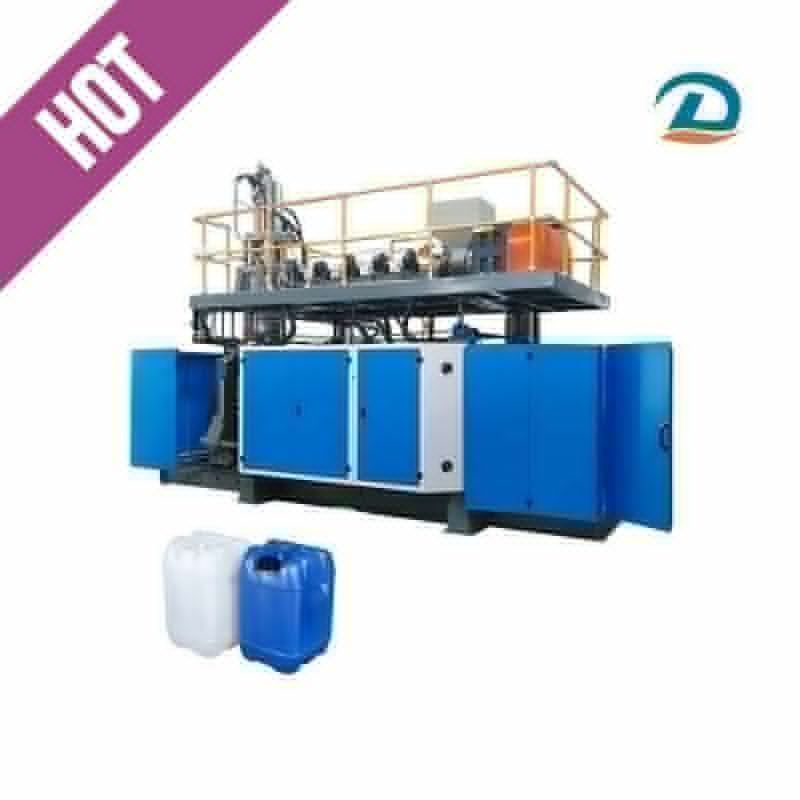
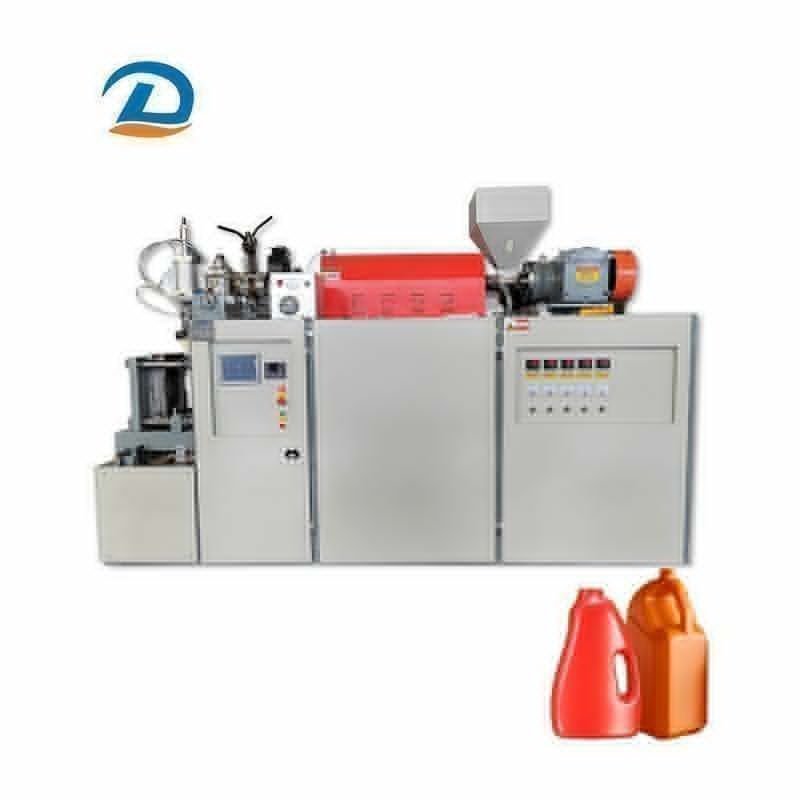
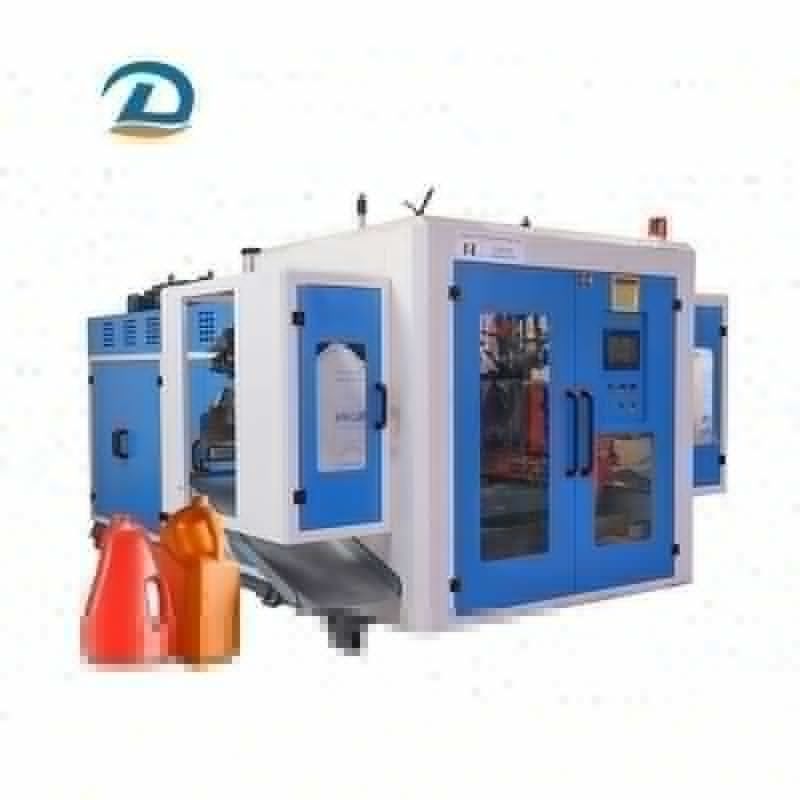
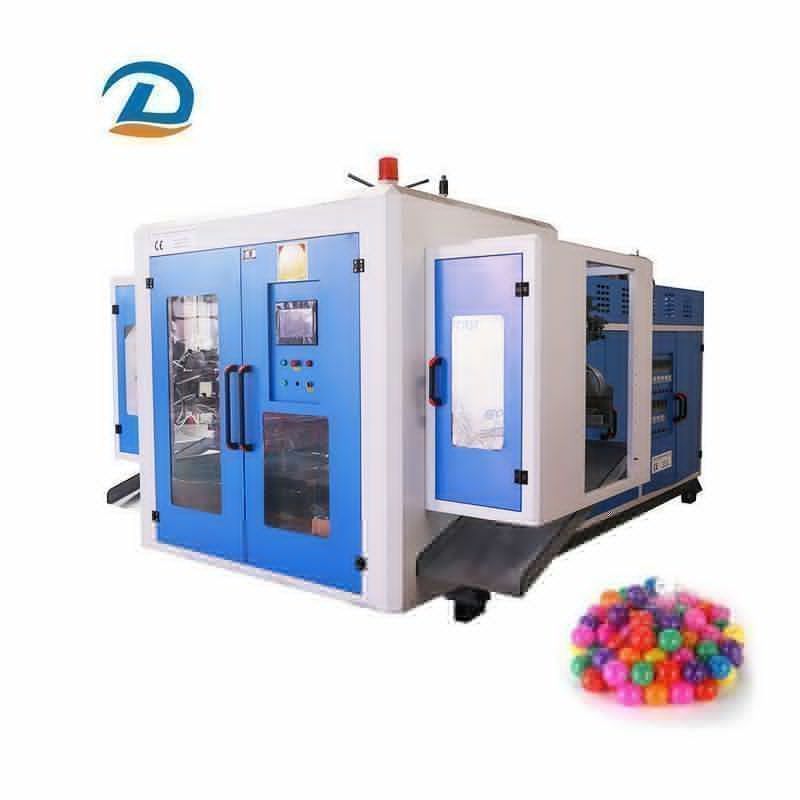
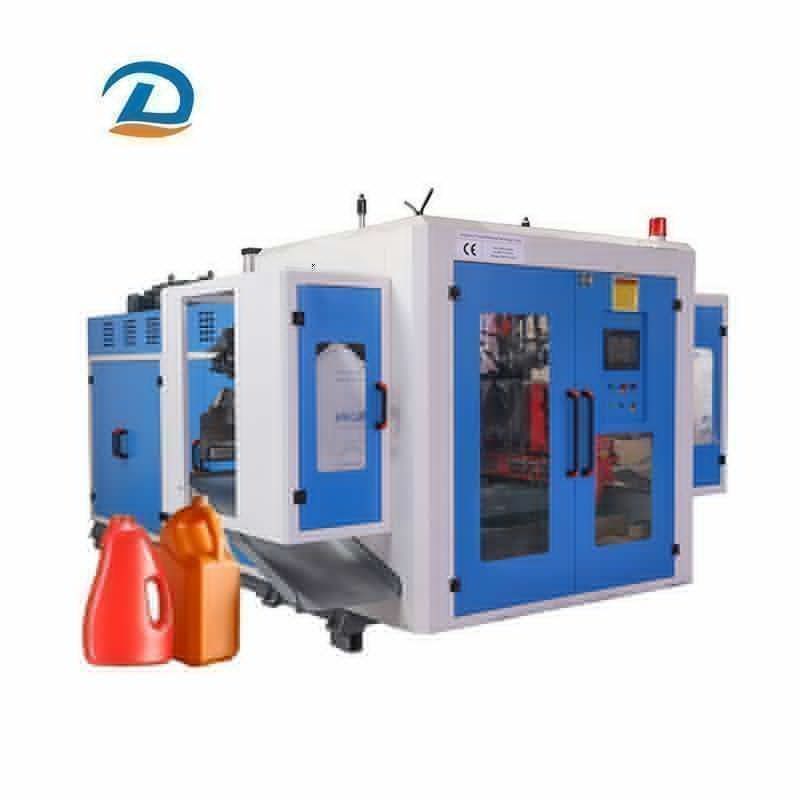
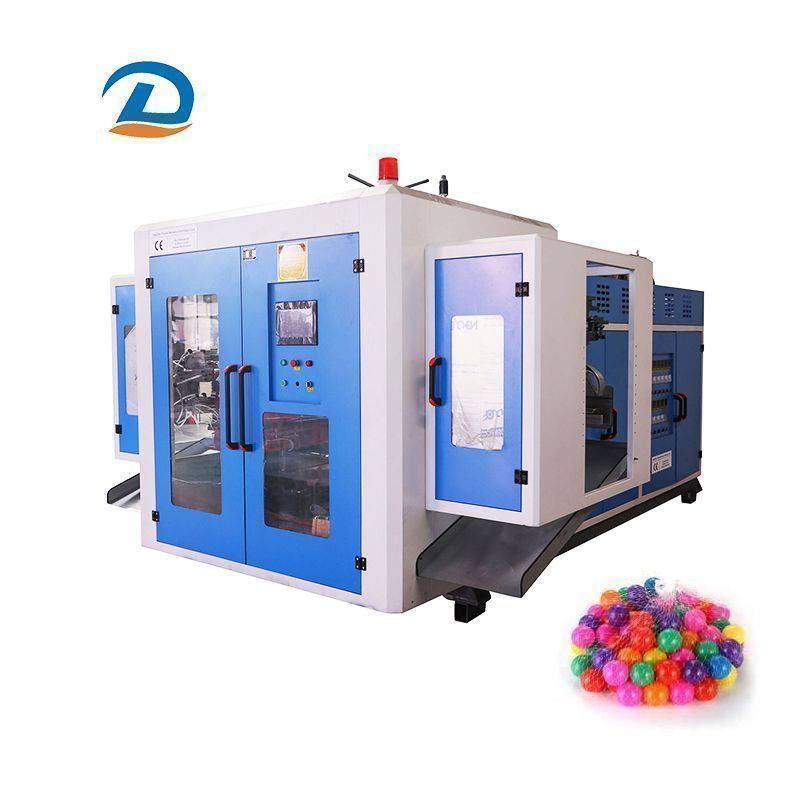
A Blow Molding Machine is specialized equipment designed to manufacture hollow plastic products automatically.
Modern blow molding machines offer:
Injection molding produces plastic parts by injecting molten plastic under high pressure into a precision mold cavity. After cooling and solidification, the finished product is ejected from the mold.
The production process includes:
Injection molding is ideal for manufacturing complex and highly accurate plastic components.
Key benefits include:
The biggest difference between blow molding vs injection molding is the type of products they manufacture.
Blow Molding Applications
Injection Molding Applications
In simple terms, blow molding produces hollow products, while injection molding produces solid plastic parts.
Blow molding forms products by inflating softened plastic inside a mold using compressed air.
The process is ideal for manufacturing lightweight hollow products with uniform wall thickness.
Injection molding fills the mold cavity with molten plastic under high pressure.
It is suitable for producing complex parts with detailed geometries and tight dimensional tolerances.
Blow molding molds generally have simpler structures, resulting in:
Injection molds require higher precision machining and more complex structures, leading to:
Injection molding provides:
Blow molding is more suitable for:
Modern Blow Molding Machine systems are capable of producing large quantities of bottles and containers with excellent consistency.
Injection molding is highly efficient for manufacturing large volumes of precision plastic components using multi-cavity molds.
The most suitable process depends on the product design and production requirements.
Many manufacturers also compare extrusion vs injection molding when planning new production lines.
Extrusion continuously pushes molten plastic through a die to create products with a constant cross-section.
Typical extrusion products include:
Advantages include:
Injection molding produces individual plastic parts rather than continuous profiles.
Typical products include:
Extrusion is ideal for continuous profiles, while injection molding is designed for individual molded components.
Choose a Blow Molding Machine if your products include:
Choose injection molding if your products include:
For high-volume bottle and container manufacturing, blow molding offers outstanding efficiency.
For precision plastic parts produced in large quantities, injection molding provides superior consistency and accuracy.
When selecting equipment, manufacturers should evaluate:
The best process is the one that delivers the lowest total manufacturing cost while meeting product quality requirements.
Blow molding machines are widely used to manufacture:
Typical products include:
Applications include:
Blow molding machines manufacture:
Yi Sunda specializes in manufacturing advanced Blow Molding Machine equipment for customers worldwide.
The company focuses on delivering efficient, reliable, and customized plastic manufacturing solutions.
Yi Sunda provides professional assistance throughout every stage of production, including:
Yi Sunda machines are designed to provide:
Email: manager@chinainjectionmachine.com
The primary difference is that blow molding produces hollow plastic products, while injection molding manufactures solid plastic components with higher dimensional accuracy.
A Blow Molding Machine is commonly used to manufacture bottles, containers, fuel tanks, chemical drums, cosmetic packaging, and other hollow plastic products.
Extrusion creates continuous products such as pipes, sheets, and profiles, while injection molding produces individual molded plastic parts with complex shapes.
The best choice depends on your product design, production volume, tooling budget, material requirements, and manufacturing goals.
When comparing blow molding vs injection molding, there is no universal "better" process. The right solution depends entirely on the product being manufactured.
If your business produces hollow containers or bottles, investing in a high-quality Blow Molding Machine is the most efficient choice. If your products require complex geometries and high precision, injection molding is the better option. Likewise, understanding extrusion vs injection molding helps manufacturers choose the most suitable production technology for different plastic products.
As an experienced plastic machinery manufacturer, Yi Sunda provides reliable Blow Molding Machine solutions that improve production efficiency, reduce operating costs, and support long-term manufacturing success.
For customized plastic machinery solutions, please contact: