
Oct 21, 2026
Parison sagging is a frequent concern for manufacturers using extrusion blow molding machines. Understanding the common causes of this issue can enhance production efficiency and product quality. In this article, we will explore the various factors contributing to parison sagging, including improper temperature settings, material inconsistencies, and equipment malfunctions. By addressing these pain points, manufacturers can better optimize their processes and prevent sagging. Cangzhou Yi Sunda Mechanical Technology Co.,LTD, a leader in Blow Molding Machine Wholesale, aims to provide valuable insights on this topic for overseas buyers and distributors.
Temperature control is critical in the blow molding process. Improper temperature can lead to uneven material flow and sagging in the parison. Below are the specific factors related to temperature:
Maintaining the correct extruder temperature ensures the molten plastic is shaped uniformly during extrusion. If the temperature is too low, the material may not have enough fluidity, leading to sagging.
Mold temperatures that are too high can also cause the parison to sag before it solidifies. Consistency in mold temperature is essential for the desired final product.
The type of material used can significantly impact the parison's formation and stability. Key aspects include:
High-viscosity materials may result in lower sagging rates. However, the wrong viscosity for the application can increase sagging risk.
Excess moisture in the polymer can lead to defects. Proper drying of materials prior to processing is crucial to avoid sagging issues.
Incorrect machine settings can lead to poor extrusion processes. Important settings include:
The die gap setting affects the thickness of the parison. If the die gap is uneven, it can cause sagging, particularly at thinner sections.
Inadequate blow pressure can cause the parison to collapse. Adjusting blow pressure to the correct levels can help mitigate this issue.
The overall condition of the extrusion blow molding machine can lead to various operational issues:
Old or worn-out components can lead to inconsistent extrusion, resulting in parison sagging. Regular maintenance and inspection are critical.
Incorrect calibration of machinery can lead to improper material flow. Ensuring calibration accuracy helps maintain consistent quality.
The competence of machine operators plays a crucial role in maintaining product quality:
Well-trained operators can identify issues and make necessary adjustments more effectively, minimizing sagging risks.
Continuous monitoring by operators can help detect problems early, allowing for timely interventions.
| Cause | Solution |
|---|---|
| Improper Temperature Settings | Regularly calibrate and monitor temperature gauges |
| Material Inconsistencies | Optimize material drying processes |
| Incorrect Machine Settings | Regular maintenance and operator training |
| Poor Machine Condition | Implement preventive maintenance schedules |
| Operator Skill Gaps | Enhance training programs for new operators |
Below is a simplified flow chart that guides manufacturers through the process of identifying and resolving sagging issues:
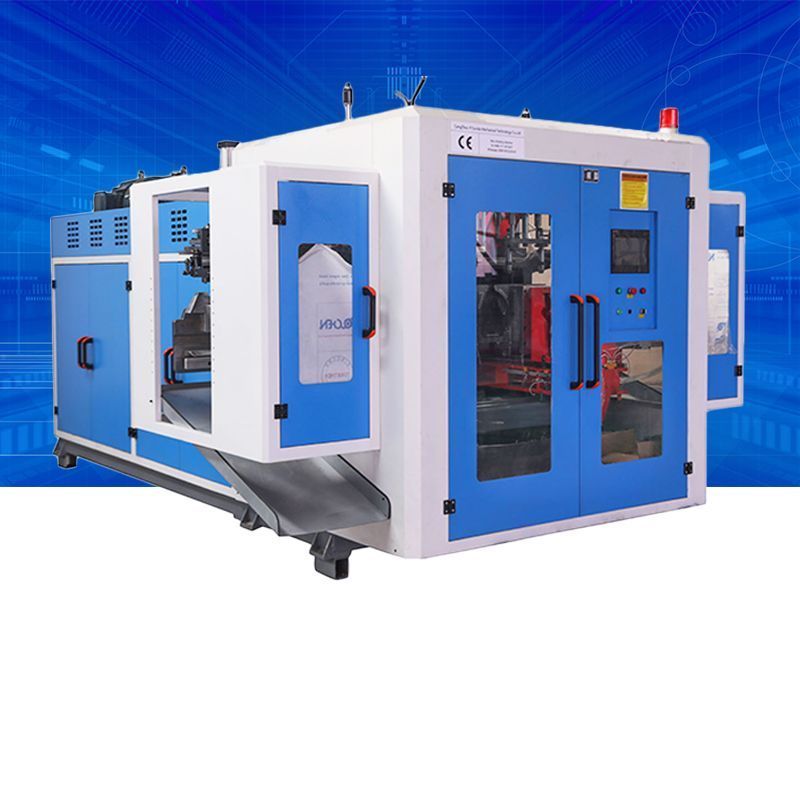
In conclusion, understanding the common causes of parison sagging in extrusion blow molding machines is vital for manufacturers, particularly those purchasing from Cangzhou Yi Sunda Mechanical Technology Co.,LTD. By paying attention to temperature settings, material characteristics, machine conditions, and operator skills, companies can effectively minimize sagging issues, leading to enhanced production efficiency and product quality. Emphasis on preventive measures and continuous education for operators can yield significant improvements. Adapting these practices can not only resolve current sagging issues but also prevent future complications.