Oct 27, 2026
To calculate blow molding machine energy cost per bottle, measure the electricity consumed during a representative production run, divide it by the number of accepted bottles, and multiply the result by the applicable electricity tariff. For a complete production-line estimate, include relevant auxiliary equipment such as chillers, air compressors, and material-handling systems. Buyers comparing Yi Sunda blow molding machines should evaluate energy consumption under comparable product, mold, material, and production conditions rather than relying only on installed power or a supplier's general efficiency claims.
Energy cost is only one part of the total cost of producing plastic containers, but it can influence operating expenses over the service life of a machine. A reliable calculation helps manufacturers compare equipment configurations, estimate production budgets, and identify opportunities to reduce energy waste without sacrificing product quality.
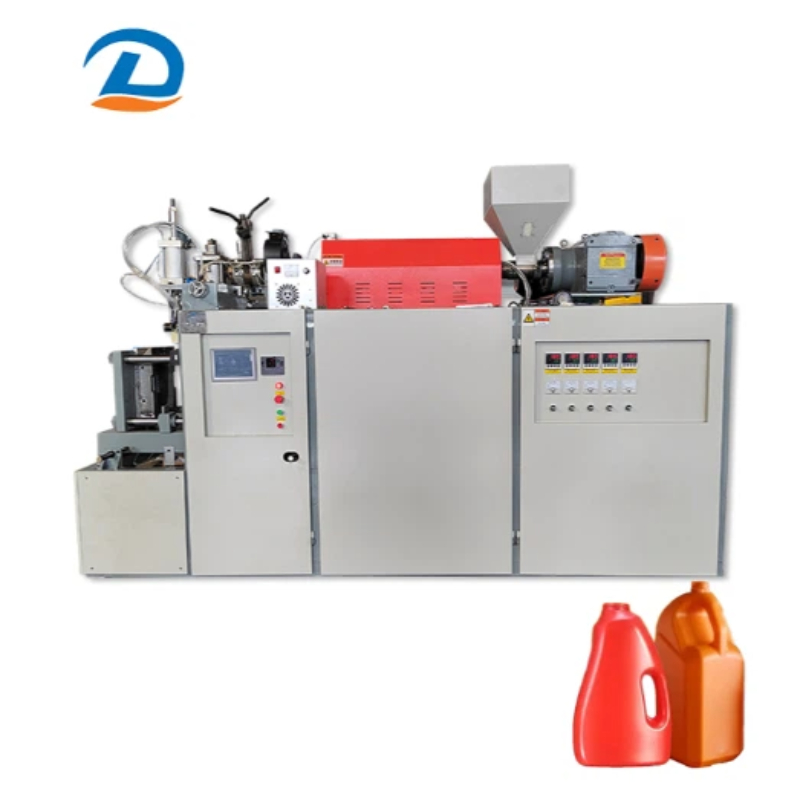
A machine's installed power rating indicates its electrical requirements or connected load, depending on the specification. It does not tell buyers how much electricity the machine consumes while producing a specific bottle.
Actual consumption depends on several factors:
Machine design and drive system
Container size, weight, and wall thickness
Resin type and processing conditions
Mold configuration and number of cavities
Cycle time and actual production rate
Warm-up time and idle periods
Rejected products and unplanned downtime
Auxiliary equipment and plant utilities
Two machines with similar installed power may produce different quantities of accepted bottles per hour. Conversely, a machine that draws more power may still have a competitive energy cost per bottle if its output and quality are higher.
For this reason, buyers should compare specific energy consumption, not just motor ratings or total connected power.
Decide which equipment is included in the calculation.
A machine-only measurement may cover the main blow molding equipment but exclude separately powered auxiliaries. A production-line measurement may include the machine, chiller, air compressor, material loader, and other necessary equipment.
Neither approach is automatically wrong. The important point is to use the same boundary when comparing alternatives.
Record the equipment included in the test so that the results are not misleading.
Use suitable electrical energy meters and follow the plant's electrical safety procedures. Record the meter reading at the beginning and end of the test.
The formula is:
Electricity consumed (kWh) = Ending meter reading − Starting meter reading
For example, assume the defined equipment consumes 72 kWh during a four-hour production test. The measured average power over that period is:
72 kWh ÷ 4 hours = 18 kW
This example is illustrative, not a specification for a Yi Sunda machine.
A measured energy value is generally more useful than multiplying installed power by operating hours because the machine's actual electrical load changes throughout production.
Record total production and rejected production separately.
Accepted output = Total bottles produced − Rejected bottles
Suppose the test produces 8,000 bottles, of which 160 fail the agreed quality criteria.
Accepted output = 8,000 − 160 = 7,840 bottles
Rejected products should not be counted as good output when calculating energy per accepted bottle. Otherwise, the calculation can make an inefficient or unstable process appear better than it is.
The formula is:
Energy per accepted bottle (kWh/bottle) = Electricity consumed (kWh) ÷ Accepted bottles
Using the illustrative values above:
72 kWh ÷ 7,840 bottles = approximately 0.00918 kWh per accepted bottle
To express the result per 1,000 accepted bottles:
0.00918 × 1,000 = approximately 9.18 kWh per 1,000 accepted bottles
The result applies only to the equipment boundary, product, operating conditions, and test period used in the calculation.
Energy cost per accepted bottle = kWh per accepted bottle × Electricity tariff
If the applicable tariff were $0.12 per kWh, the illustrative energy cost would be:
0.00918 × $0.12 = approximately $0.00110 per accepted bottle
The electricity tariff here is an example, not a recommendation or an assumed rate for any particular factory.
For actual budgeting, use the factory's applicable tariff and account for any relevant time-of-use rates or demand charges separately.
A blow molding machine may rely on several supporting systems. If those systems use separate electrical supplies, measuring only the main machine can understate the energy required to produce the bottles.
Depending on the installation, relevant equipment may include:
Chiller or cooling-water system
Air compressor and air treatment equipment
Material loader and conveying system
Resin dryer, if required by the material and process
Downstream trimming or handling equipment
Other equipment required for the defined production line
For a line-level calculation, measure the electricity consumed by the relevant equipment over the same production period. Avoid adding nameplate power ratings as if every component operated continuously at full load.
If a shared utility serves several machines, allocate its energy consistently and document the method. Direct measurement is preferable when practical.
A machine may consume significant electricity during warm-up, setup, and idle periods. If accepted production is low, those costs are spread across fewer bottles.
Measure the difference between steady-state operation and the complete production schedule. For a real factory budget, include reasonable allowances for changeovers, startup, and planned downtime.
Defective bottles consume material and processing energy without contributing to accepted output.
Investigate the causes of rejects before attempting to improve energy performance through faster cycling. A lower energy figure is not useful if it is achieved at the expense of product quality.
Cooling conditions influence cycle time and product stability. Insufficient cooling may cause handling problems or deformation, while unnecessarily long cooling periods may reduce throughput.
The appropriate settings depend on the material, container geometry, wall thickness, mold design, and machine configuration. Changes should be validated against product quality rather than made solely to reduce energy consumption.
Leaks, unsuitable compressor operation, poor maintenance, or improperly configured cooling systems may increase the energy required for production.
Review the complete line instead of assuming that the main machine is the only source of avoidable consumption.
A meaningful comparison requires consistent test conditions.
| Comparison factor | What buyers should confirm |
|---|---|
| Product | Same bottle design, dimensions, weight, and quality requirements |
| Resin | Same resin grade or a documented equivalent |
| Mold | Same mold and cavity configuration where technically possible |
| Output | Accepted bottles per hour, not theoretical output alone |
| Test period | Comparable duration and production state |
| Energy boundary | Same machine and auxiliary equipment included |
| Rejects | Rejected products counted separately |
| Operating conditions | Relevant settings and utility conditions documented |
| Energy tariff | Same rate when comparing cost rather than consumption |
Request the raw energy readings, production count, rejected quantity, test duration, and equipment boundary. A single percentage claiming energy savings is difficult to assess without the underlying conditions.
You can make a rough estimate, but installed power does not equal actual average consumption. For a reliable comparison, measure electricity use during production and divide it by accepted output.
Include them when they are part of the production-line energy boundary you want to evaluate. If you measure machine-only consumption, state that the auxiliary equipment is excluded.
No. When calculating energy per accepted bottle, subtract rejected products from total output. Record both numbers so that the effect of quality losses remains visible.
No. Total production cost can also include resin, labor, mold amortization, maintenance, packaging, depreciation, and other operating expenses.
Energy consumption should be evaluated alongside accepted output, product quality, material usage, and operating requirements. A project-specific comparison is more useful than a generic efficiency claim.
Contact Yi Sunda at manager@chinainjectionmachine.com or visit www.ysdblowmachine.com to discuss your container design, target output, material, and equipment requirements.