Oct 21, 2026
Creating strong handle oil bottles with stable weight is crucial for manufacturers looking to enhance product reliability and meet stringent quality standards. I promise to guide you through actionable steps to produce high-quality oil bottles, ensuring efficiency and stability. By following this guide, you will effectively tackle issues related to inconsistent weight and structural integrity, which can impact market credibility and customer satisfaction.
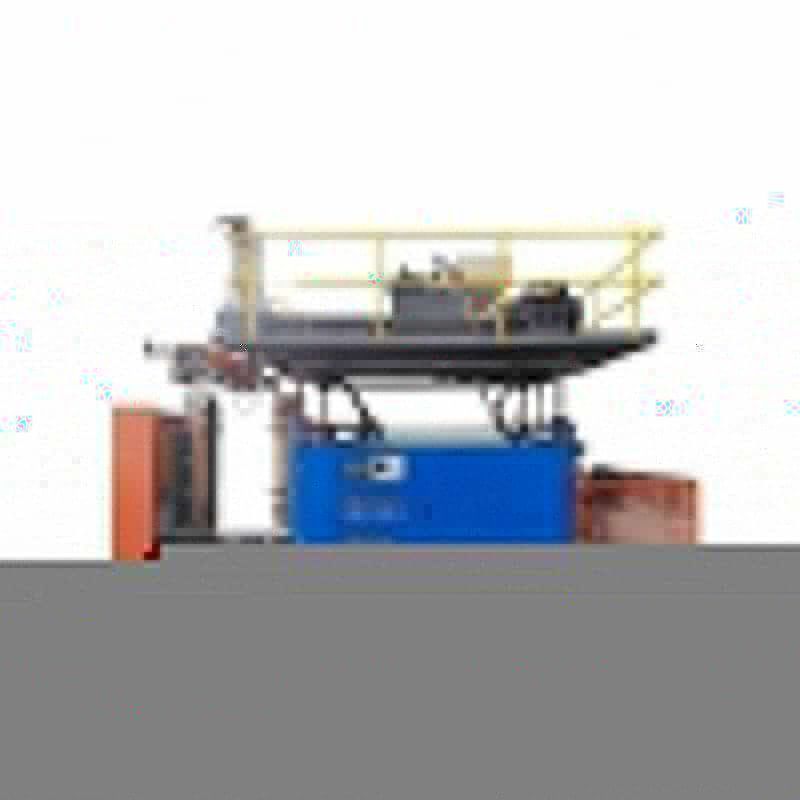
To begin, the process for producing strong handle oil bottles centers around using an Oil Pot Blow Molding Machine from Cangzhou Yi Sunda Mechanical Technology Co.,LTD, a vital tool that I’ve found offers the precision necessary for creating durable and consistent products. Here’s how to implement this solution:
Select the Right Raw Materials:
Calibrate the Blow Molding Equipment:
Initiate Sample Production:
Implement Quality Control Checks:
Adjust Production Parameters:
During this process, you may face challenges such as fluctuations in raw material quality, equipment malfunctions, or meeting production quotas without compromising quality. I recommend establishing strong supplier relationships to secure consistent material quality and implementing a regular maintenance routine for your machinery to mitigate downtime.
To enhance efficiency further, consider investing in additional tools such as:
As we finalize our overview, remember the key steps to producing strong handle oil bottles with stable weight: select quality materials, calibrate equipment meticulously, conduct thorough inspections, and apply strategic adjustments. Implement these steps to ensure your bottles meet market and customer expectations while positioning your brand as a reliable choice in the industry.
Having outlined this comprehensive approach, I encourage you to take immediate action. Integrating these procedures will not only resolve existing challenges but will also enhance the overall quality and credibility of your oil bottle products. For more insights and advanced machinery options, visit Cangzhou Yi Sunda Mechanical Technology Co.,LTD at https://www.ysdblowmachine.com/storage/watermark/f_imgs/20260304/ddf7f2eab84a82450563d5b84c43ccdf.jpg.