
Oct 20, 2026
Maintenance and care of blow molding machines are essential for their longevity and optimal performance. These machines, used widely for producing plastic products, require regular upkeep to prevent breakdowns. Many users experience issues because they neglect proper maintenance. Understanding the common problems and maintenance needs can reduce downtime significantly. To ensure efficient production processes, following best practices in care is critical.
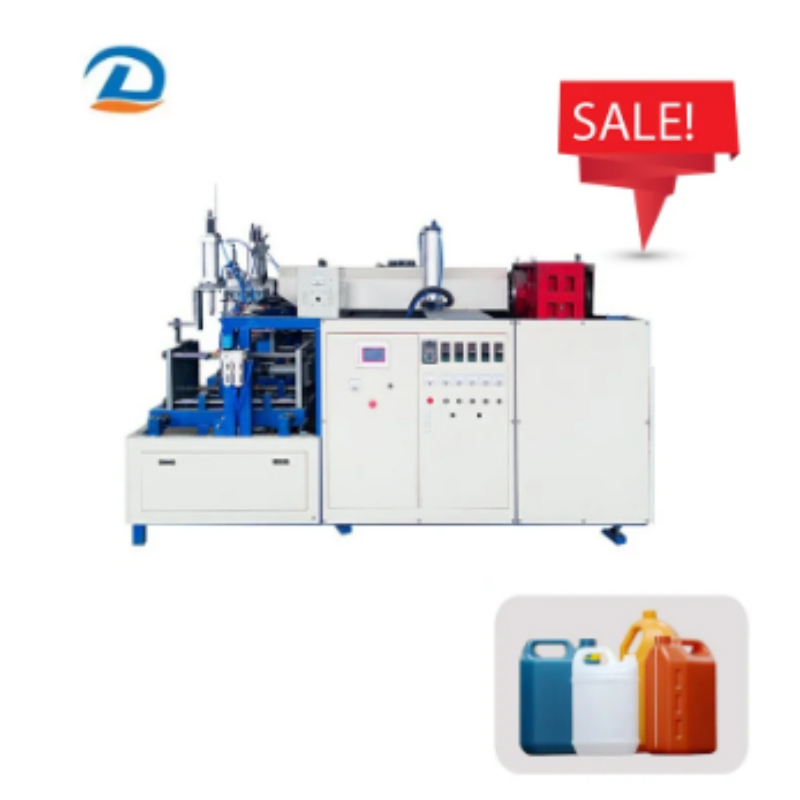
Regular maintenance of blow molding machines includes cleaning, lubrication, inspection of components, and timely replacement of worn parts. These actions help maintain efficiency and prevent costly repairs.
Cleaning blow molding machines regularly is vital to their functioning. Residue from previous runs can affect product quality. Use the following steps for effective cleaning:
Lubrication is a key element for maintaining blow molding machines. Proper lubrication reduces friction, leading to a longer lifespan. Follow these steps for lubrication:
Routine inspections help identify potential problems early. Inspect the main components such as:
Look for signs of wear, discoloration, or cracks. Replace any damaged parts as needed.
Components will wear down with use. Planning for replacements can prevent breakdowns:
Proper training for operators can lead to better maintenance. Operators should be familiar with:
Cangzhou Yi Sunda Mechanical Technology Co.,LTD emphasizes the importance of regular maintenance and care of blow molding machines. By adhering to cleaning protocols, lubrication schedules, and inspections, you can enhance the performance and lifespan of your machines. Timely action on worn parts and effective training will create a smooth operational environment and reduce downtime.
Q: How often should I clean my blow molding machine?
A: You should clean your blow molding machine after each production cycle to maintain quality and performance.
Q: What lubricant should I use?
A: Use the lubricant recommended by the machine manufacturer to ensure optimal performance.
Q: How can I tell if a part needs replacing?
A: Look for signs of wear such as cracks, discoloration, or unusual noises during operation.
Q: Should I keep spare parts on hand?
A: Yes, keeping essential spare parts can reduce downtime and help maintain continuity in production.
Q: Can operator training affect machine maintenance?
A: Yes, well-trained operators can perform better maintenance and identify problems early, which helps avoid costly repairs.
Q: How does maintenance affect production costs?
A: Regular maintenance can significantly lower production costs by reducing unexpected breakdowns and extending machine life.