Jul 29, 2026
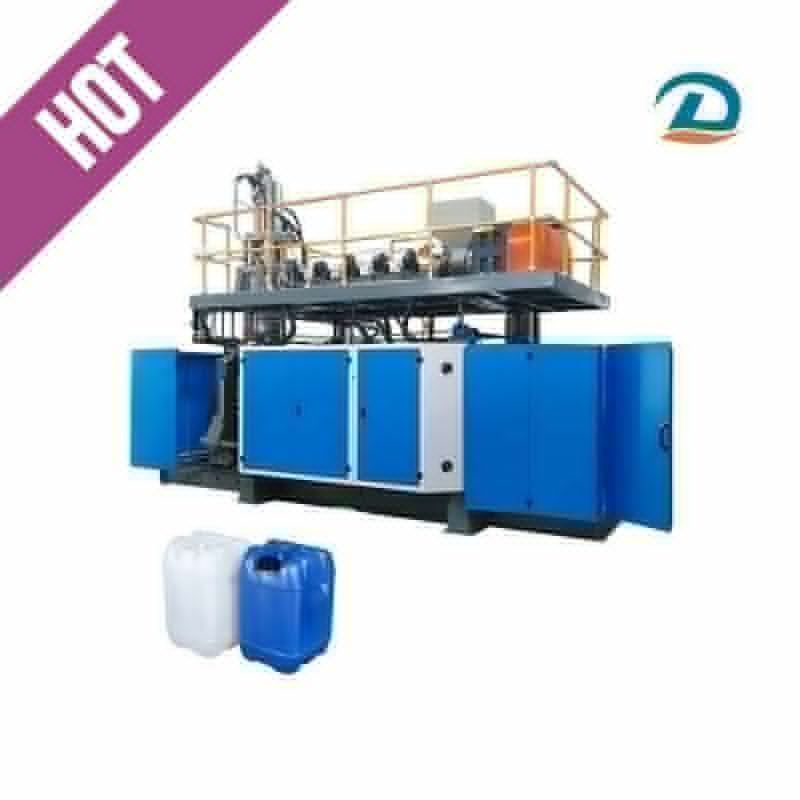
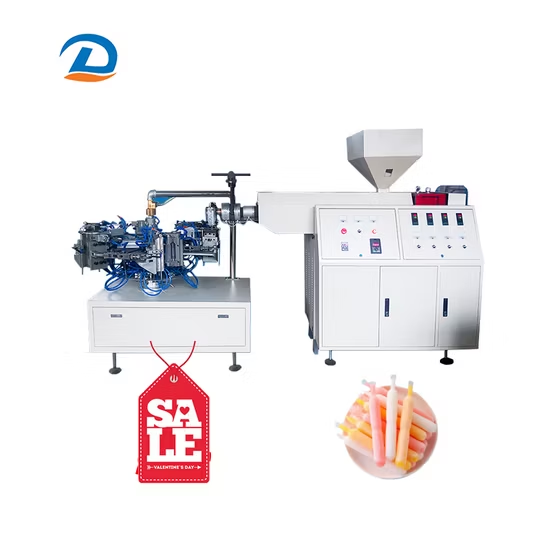
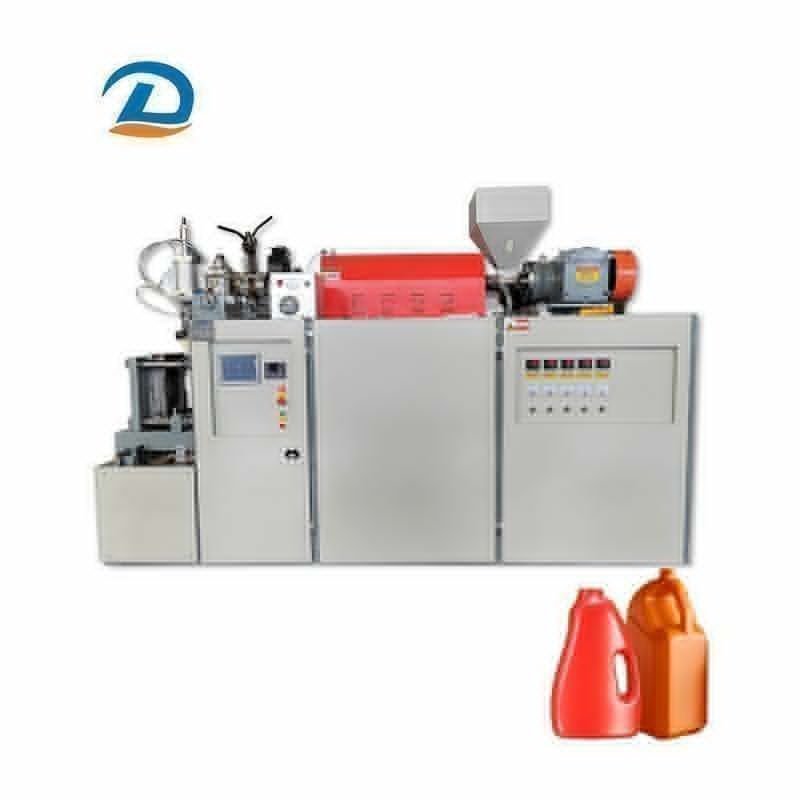
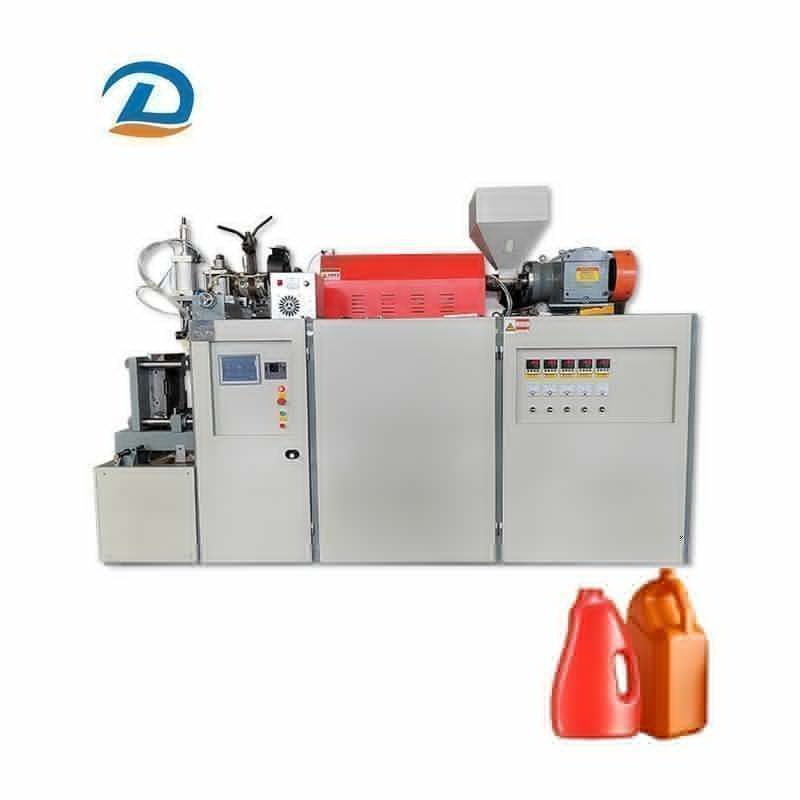
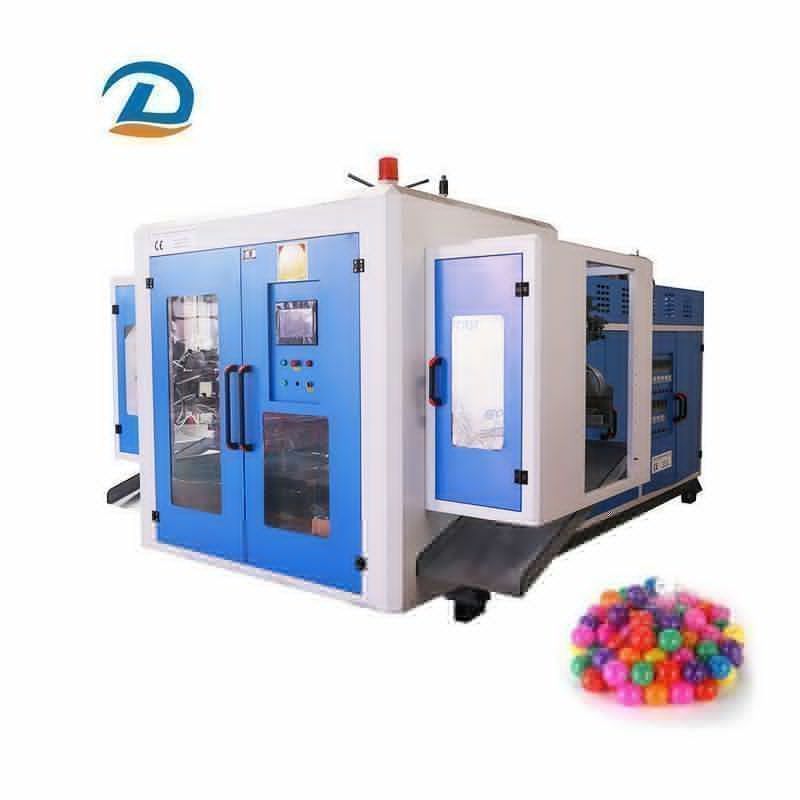
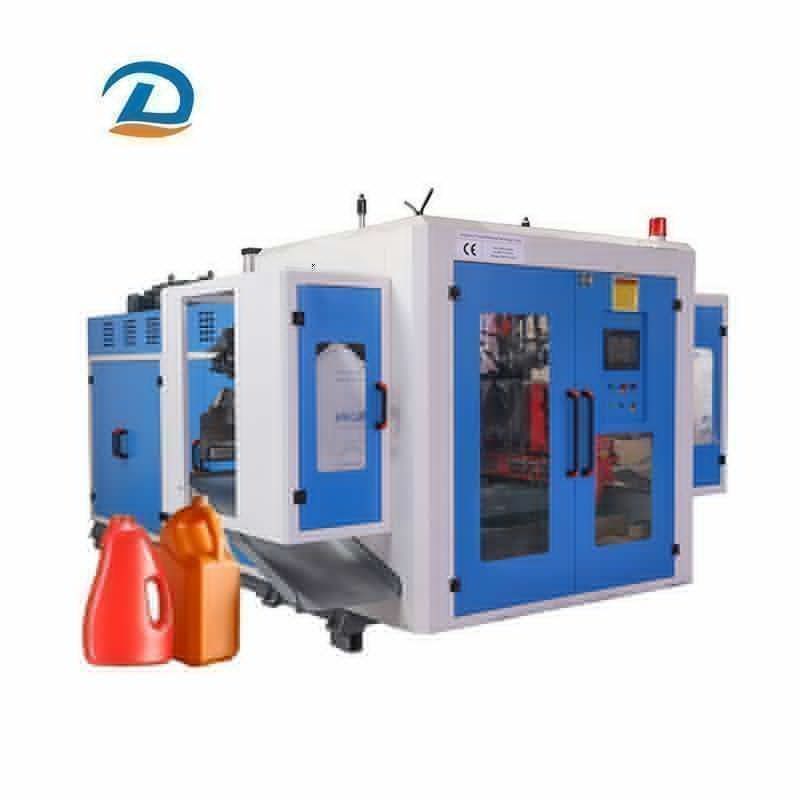
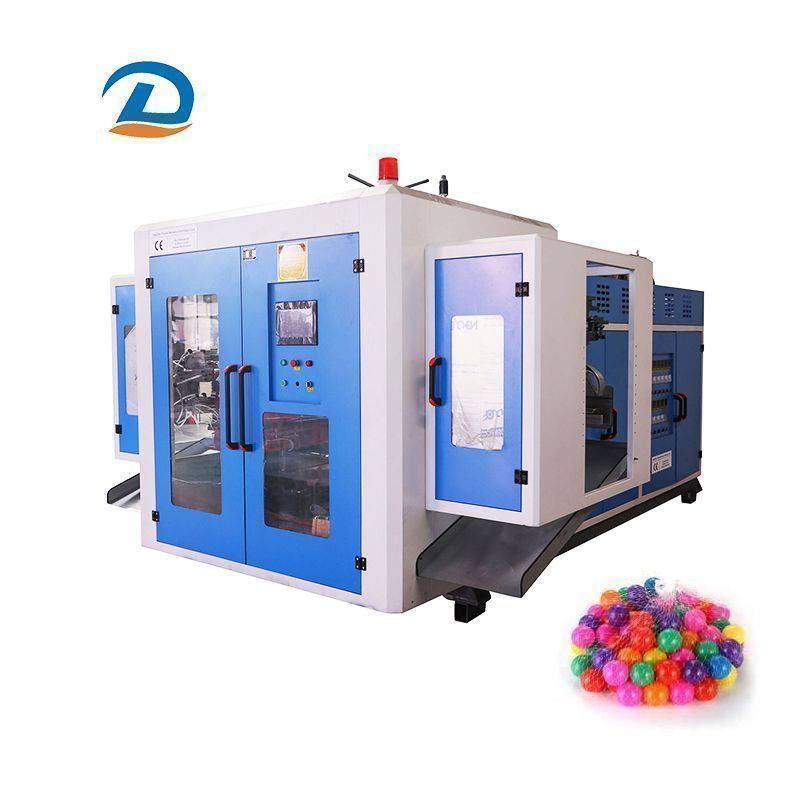
An extrusion blow molding machine is a key piece of equipment used to produce hollow plastic products such as bottles, containers, jars, and tanks. The process combines extrusion and molding technologies to form strong, lightweight, and durable plastic parts with high precision and consistency. It is one of the most efficient and widely used methods in plastic manufacturing today.
Extrusion blow molding is commonly used in the packaging, chemical, pharmaceutical, automotive, food and beverage, household products, and industrial container industries. By changing the mold, material, machine configuration, and production parameters, manufacturers can produce plastic products in different shapes, capacities, wall thicknesses, and performance levels.
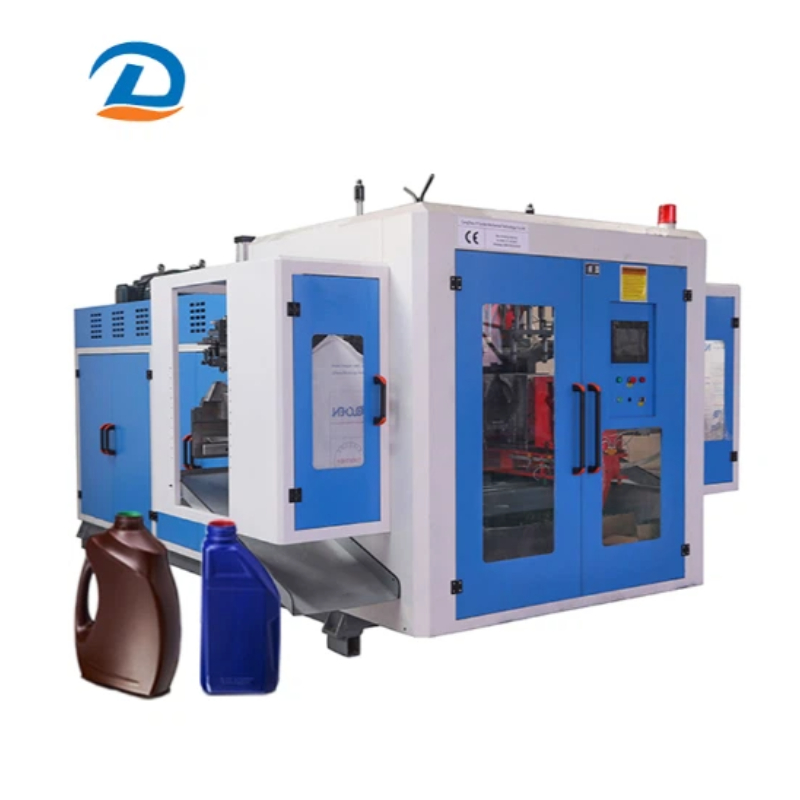
Extrusion blow molding is a manufacturing process used to produce hollow plastic parts. During production, molten plastic is extruded into a hollow tube called a parison. The parison is captured inside a mold, inflated with compressed air, cooled, and then removed as a finished plastic product.
The process is similar to glass blowing. However, instead of manually blowing hot glass, an extrusion blow molding machine uses automated extrusion, mold clamping, air pressure, cooling, and control systems.
This technology is particularly suitable for manufacturing products with an enclosed hollow structure, including:
Plastic bottles
Lubricant containers
Cosmetic jars
Chemical drums
Detergent bottles
Jerry cans
Fuel tanks
Water tanks
Automotive ducts
Toys and hollow plastic components
Extrusion blow molding machines can be configured for small bottles weighing only a few grams or large industrial products with capacities of hundreds or even thousands of liters.
A complete extrusion blow molding machine consists of several coordinated systems. Each component affects production efficiency, product quality, energy consumption, and operational stability.
The extrusion system melts and processes the plastic raw material. Plastic pellets are loaded into a hopper and transported forward by a rotating screw inside a heated barrel.
As the material moves through the barrel, it is heated, compressed, mixed, and plasticized. The molten plastic is then pushed toward the extrusion head.
The screw diameter, length-to-diameter ratio, rotation speed, heating capacity, and screw design must match the plastic material and production requirements.
The die head forms the molten plastic into a hollow parison. It controls the diameter, wall thickness, and material distribution of the extruded tube.
For some products, especially irregular containers and large hollow parts, the machine may use a parison thickness control system. This system adjusts the die gap during extrusion, helping distribute more material in areas that require greater strength.
Common die-head configurations include:
Single-head systems
Double-head systems
Multi-head systems
Continuous extrusion heads
Accumulator heads
Multi-head machines can produce several bottles during each molding cycle, improving output for high-volume packaging applications.
The clamping unit opens and closes the mold. It must provide sufficient clamping force to keep the mold securely closed while compressed air expands the parison.
A stable clamping system helps prevent mold movement, uneven parting lines, excessive flash, and dimensional variation.
Depending on the machine design, the clamping system may use hydraulic, pneumatic, electric, or hybrid technology.
The mold determines the final shape, surface texture, dimensions, neck design, and external appearance of the plastic product.
Most blow molds are made from aluminum or steel. Aluminum molds offer good thermal conductivity and are commonly used for high-speed bottle production. Steel molds provide excellent strength and wear resistance for demanding applications.
Cooling channels are built into the mold to remove heat from the plastic product and shorten the production cycle.
The blowing system introduces compressed air into the parison after the mold closes. The air pressure expands the molten plastic outward until it contacts the internal surface of the mold.
The blowing pressure and air flow must be carefully controlled. Insufficient pressure may cause incomplete forming, while excessive pressure may create thin walls, deformation, or unnecessary energy consumption.
Cooling allows the plastic product to solidify and retain its shape. Water circulates through cooling channels inside the mold, removing heat from the molded part.
Efficient cooling is important because it directly affects cycle time, product dimensions, surface quality, and production stability.
Modern extrusion blow molding machines use programmable logic controllers, touchscreen interfaces, temperature controllers, sensors, and automated monitoring systems.
Operators can use the control panel to set and monitor:
Extruder temperature
Screw speed
Parison length
Wall thickness
Mold movement
Blowing time
Cooling time
Cycle time
Production quantity
Alarm conditions
Advanced control systems improve repeatability, reduce human error, and make it easier to change between products.
The extrusion blow molding process generally includes material feeding, plasticizing, parison extrusion, mold closing, air blowing, cooling, mold opening, and product trimming.
Plastic pellets are loaded into the machine hopper. Depending on the product, the material may be mixed with color masterbatch, recycled plastic, additives, fillers, or performance modifiers.
Common materials used in extrusion blow molding include:
High-density polyethylene
Low-density polyethylene
Polypropylene
Polyvinyl chloride
Polycarbonate
Polyamide
Thermoplastic elastomers
High-density polyethylene is one of the most widely used materials because it offers good impact resistance, chemical resistance, processability, and cost efficiency.
The plastic pellets enter the heated barrel, where the rotating screw moves them forward.
Heat from the barrel heaters and friction generated by screw rotation melt the plastic. The screw then mixes and homogenizes the material to create a stable melt.
The molten plastic is pushed through the die head and formed into a hollow parison.
The parison hangs vertically between the two halves of the open mold.
Its temperature, length, diameter, and wall thickness must remain consistent. If the parison is too cold, it may not expand correctly. If it is too hot, it may stretch excessively or collapse before molding.
For technically demanding products, programmable parison control adjusts the wall thickness during extrusion.
Once the parison reaches the required length, the mold closes around it.
The bottom of the parison is pinched and sealed by the mold. The upper section is positioned around a blow pin or blowing needle.
Excess plastic may remain around the mold parting line. This material is called flash and is removed after molding.
Compressed air enters the parison through the blow pin.
The air expands the molten plastic until it presses against the inner walls of the mold. The plastic takes the exact shape of the mold cavity, including the body, handle, neck, corners, ribs, logos, and surface patterns.
While the product remains inside the closed mold, cooling water removes heat from the plastic.
The product must cool sufficiently before removal. Opening the mold too early may cause deformation, shrinkage, or dimensional instability.
Cooling time depends on the product size, material, wall thickness, mold design, and water temperature.
After cooling, the mold opens and the formed product is removed manually or automatically.
Automated systems may use robotic arms, conveyor belts, take-out devices, or trimming stations to transfer the product to the next production stage.
Excess material around the neck, bottom, handle, or parting line is trimmed away.
Depending on the application, the product may then undergo additional processes such as:
Leak testing
Surface treatment
Printing
Labeling
Drilling
Assembly
Weighing
Visual inspection
Packaging
Trimmed material can often be crushed and recycled back into the production process, depending on product quality requirements.
Different machine configurations are available for different product sizes, materials, output requirements, and factory layouts.
In continuous extrusion, the extruder continuously produces the parison. Once the parison reaches the required length, the mold closes and the molding cycle begins.
This type of machine is commonly used for bottles, jars, household containers, cosmetic packaging, and small industrial products.
An accumulator head stores a measured amount of molten plastic before rapidly pushing it through the die to form a large parison.
Accumulator machines are suitable for large and heavy products such as:
Industrial drums
Pallets
Automotive fuel tanks
Road barriers
Large containers
Water tanks
Rapid parison extrusion reduces sagging and helps maintain more uniform wall thickness.
A multi-layer extrusion blow molding machine combines two or more plastic layers in one product.
Different layers can provide different functions, such as:
Chemical resistance
Oxygen barrier performance
Moisture protection
Structural strength
Recycled material utilization
Improved surface appearance
Multi-layer technology is widely used in fuel tanks, food packaging, chemical containers, and high-performance bottles.
A fully electric machine uses servo motors to control major movements such as clamping, mold shifting, extrusion, and product removal.
Electric machines can provide precise movement, lower noise, cleaner operation, and reduced hydraulic oil maintenance.
Hydraulic machines provide strong clamping force and are suitable for a wide range of applications.
Hybrid machines combine hydraulic power with servo or electric control. They are designed to balance strength, precision, energy efficiency, and investment cost.
Extrusion blow molding offers several benefits for hollow plastic product manufacturing.
The process can be highly automated, allowing manufacturers to achieve short cycle times and stable mass production.
Multi-cavity molds and multi-head extrusion systems further increase output.
Extrusion blow molding can produce round, square, oval, irregular, handled, and technically complex hollow products.
The mold can include logos, ribs, grip areas, measurement marks, and decorative textures.
The same general process can be used for small pharmaceutical bottles, medium-sized detergent containers, automotive components, and large industrial tanks.
Production scrap, such as flash and trimmed material, may often be recycled and reused.
Parison thickness control also helps place material where it is needed, reducing unnecessary plastic consumption.
Blow molds are generally less complicated than some injection molds, particularly for large hollow products. This can reduce tooling costs and shorten product development time.
Extrusion blow molding can produce containers with built-in handles in a single molding cycle. This is an important advantage for detergent bottles, oil containers, jerry cans, and industrial packaging.
Extrusion blow molding and injection blow molding are both used to produce hollow plastic products, but they use different methods.
Extrusion blow molding forms a hanging parison directly from an extruder. It is suitable for a broad range of product sizes and can produce containers with integrated handles.
Injection blow molding first creates a preform by injection molding. The preform is then transferred to a blow mold and expanded with air. It generally provides better neck accuracy and less flash, making it suitable for small pharmaceutical, cosmetic, and medical bottles.
Extrusion blow molding is normally preferred when manufacturers require:
Larger containers
Integrated handles
Flexible product shapes
Lower tooling costs
Multi-layer structures
High output for household or industrial packaging
Choosing the right extrusion blow molding machine requires more than comparing machine size and price.
Buyers should evaluate:
Product dimensions and capacity
Product weight and wall thickness
Plastic material
Number of cavities
Required hourly output
Neck and handle design
Single-layer or multi-layer requirements
Automatic trimming requirements
Energy consumption
Mold compatibility
Available factory space
Cooling-water capacity
Compressed-air requirements
Automation level
Spare parts availability
Technical support
The machine’s extrusion capacity, clamping force, mold dimensions, die-head design, and control accuracy must match the intended product.
A machine that is too small may not provide enough plasticizing capacity or clamping force. A machine that is unnecessarily large may increase energy consumption, floor-space requirements, and investment costs.
Extrusion blow molding machines are used across many industries.
They produce bottles and containers for food, beverages, cooking oil, personal care products, cosmetics, detergents, lubricants, and household chemicals.
The process is used for chemical drums, pesticide bottles, laboratory containers, and corrosion-resistant packaging.
Typical products include fuel tanks, air ducts, coolant reservoirs, washer-fluid tanks, seat components, and protective covers.
Extrusion blow molding can produce medicine bottles, disinfectant containers, healthcare packaging, and other hollow plastic products.
Large machines manufacture pallets, storage tanks, floating products, barriers, tool cases, and specialized technical components.
Even with automated equipment, production quality can be affected by incorrect settings, unstable materials, mold problems, or poor maintenance.
Common issues include:
Uneven wall thickness
Excessive flash
Incomplete blowing
Surface marks
Bubbles
Black spots
Product deformation
Weak pinch-off lines
Inconsistent weight
Leakage
Long cooling cycles
These problems may be related to melt temperature, parison temperature, extrusion speed, air pressure, mold temperature, cooling efficiency, material quality, or die-head adjustment.
Regular process monitoring and preventive maintenance are essential for stable production.
Proper maintenance helps extend machine life and reduce unexpected downtime.
Operators should regularly inspect:
Screw and barrel wear
Heater performance
Hydraulic oil level
Servo motors
Lubrication points
Air pipelines
Cooling channels
Mold alignment
Clamping components
Electrical connections
Temperature sensors
Safety devices
The die head should also be cleaned to prevent degraded plastic from contaminating future products.
Maintenance records can help manufacturers identify recurring problems and plan replacement of wearing parts before equipment failure occurs.
An extrusion blow molding machine transforms molten plastic into hollow products through extrusion, mold closing, compressed-air inflation, cooling, and trimming. Its flexibility, productivity, and ability to manufacture complex hollow parts make it an essential machine in modern plastic processing.
From small packaging bottles to large industrial tanks, extrusion blow molding can support a wide range of materials, sizes, structures, and production volumes. Selecting the right machine requires careful evaluation of the product design, plastic material, output target, automation requirements, energy consumption, and long-term technical support.
For manufacturers planning a new plastic product or production line, providing the equipment supplier with product drawings, samples, dimensions, weight, material, capacity, and expected output can help determine the most suitable extrusion blow molding machine configuration.