
Oct 27, 2026
A blow molding machine factory acceptance test (FAT) checklist should verify that the machine matches the purchase agreement, operates safely, runs the agreed mold and material, produces acceptable samples, and meets the documented acceptance criteria. Buyers should also review the machine's control functions, utilities, accessories, technical documents, and outstanding corrective actions before authorizing shipment. When purchasing equipment from a manufacturer such as Yi Sunda, the FAT requirements should be agreed in writing before the test begins.
A factory visit or demonstration can provide useful information, but it is not a substitute for a structured acceptance test. Without defined conditions and pass/fail criteria, the buyer may see the machine running without obtaining clear evidence that the purchased equipment meets the required specification.
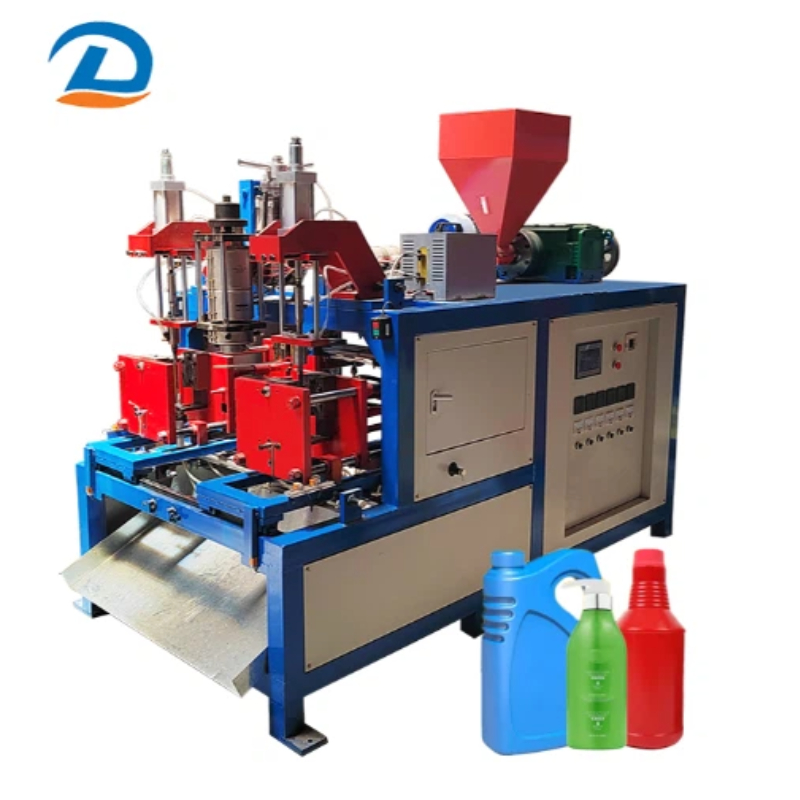
A FAT is a planned inspection and test conducted at the supplier's facility before the equipment is shipped.
For a blow molding machine, it may include checking the machine configuration, safety functions, control system, mold installation, dry cycling, trial production, sample quality, and supporting documents.
The exact scope depends on the purchase contract and machine type. A small semi-automatic machine and a complex automatic production line will not necessarily require identical tests.
Buyers should distinguish three stages:
Factory acceptance test: Confirms agreed requirements at the supplier's facility before shipment.
Site acceptance test: Checks installation, utilities, integration, and operation at the buyer's factory.
Production release: Confirms that the equipment and process are ready for routine manufacturing under the buyer's quality procedures.
Passing a FAT does not automatically guarantee that the machine will achieve every production target under all factory conditions. Site utilities, material variation, operator practices, downstream equipment, and production scheduling can affect actual results.
Begin with the signed purchase specification and the machine delivered for testing.
Confirm the model, machine identification, key configuration, and included options. Depending on the equipment, the review may cover:
Machine model and serial number
Automation level
Number of extrusion heads or stations
Clamping arrangement
Extrusion and die-head configuration
Control system and operator interface
Included mold or molds
Auxiliary equipment
Agreed safety features
Optional functions listed in the contract
Check the nameplates and relevant documentation against the purchase order. If a component or feature differs from the agreed specification, record the difference and obtain written clarification.
Do not assume that two machines with similar model names have identical configurations. Confirm the actual equipment and options included in the order.
The machine should be inspected for visible damage, leaks, loose components, missing guards, and other issues that could affect safe operation.
Qualified personnel should verify the applicable safety functions according to the equipment design and agreed test procedure.
The checklist may cover:
Guards and protective covers
Emergency-stop functions
Safety interlocks
Accessible moving parts
Hydraulic or pneumatic leakage, where applicable
Electrical cabinet condition
Warning labels and safety information
Relevant operating and maintenance instructions
The inspection should be performed using the supplier's approved safety procedures. Buyers should not bypass interlocks or conduct hazardous tests without qualified personnel.
Record any deficiencies, identify who is responsible for correction, and define whether each issue must be closed before shipment.
The operator interface and control system should be checked against the agreed specification.
Depending on the machine, this may include reviewing temperature controls, timers, alarms, cycle settings, motion sequences, and other functions relevant to the purchased configuration.
Check whether operators can access the required settings and whether alarms or faults are displayed in a useful way. Confirm that the supplier provides the promised manuals and instructions for routine operation and troubleshooting.
The FAT should also establish how the machine responds to relevant abnormal conditions under the supplier's approved test procedure. Do not invent alarm limits or acceptance values that are not defined by the manufacturer or purchase agreement.
A dry-cycle test checks machine movement and sequence without necessarily producing saleable containers. It can help identify mechanical or control issues before material and mold trials.
A trial-production test goes further by using the agreed mold and material to produce containers for evaluation.
Before the test, document:
Mold identification and configuration
Resin type and grade
Colorant or additives, where relevant
Relevant machine settings
Utility conditions
Test duration
Product specification
Sampling method
Target output and acceptance criteria
The buyer and supplier should agree on how the trial will be conducted. A short demonstration may confirm that the machine can cycle and produce a sample, but it may not prove sustained output, repeatability, or long-run stability.
If continuous running is important to the application, specify the required test duration and what must be recorded during the run.
The trial products should be evaluated against the agreed product specification, not simply judged by appearance.
Depending on the container, checks may include:
Overall dimensions and critical tolerances
Product weight
Wall-thickness distribution
Appearance and surface condition
Flash and trimming quality
Neck and opening dimensions
Closure fit, if applicable
Leak or other functional tests
Relevant performance tests specified by the buyer
The applicable acceptance limits depend on the product drawing, intended use, customer requirements, and relevant standards. They should be established before the FAT.
If wall thickness or other dimensions are critical, agree on the measurement points and method. A statement that the container looks uniform is not enough when the purchase agreement requires measured results.
Keep representative samples and inspection records where practical. This gives the buyer a reference for later comparison during installation and production.
A supplier's theoretical output or advertised maximum speed may not equal the number of accepted containers produced under the buyer's conditions.
During the FAT, record the cycle time, number of cavities or active stations, total output, rejects, and accepted output.
The test report should identify the conditions under which the results were obtained. If the line includes auxiliary equipment or downstream operations that limit throughput, those constraints should also be documented.
Where the purchase contract includes an output commitment, define precisely how output is measured and what constitutes an accepted container.
For example, a machine that produces many containers but has an excessive reject rate may not satisfy the buyer's actual production requirement.
A machine can pass its running test and still be difficult to operate if important documents or promised accessories are missing.
The handover checklist should identify the items included in the contract, such as:
Operation and maintenance manuals
Electrical and pneumatic diagrams, as applicable
Machine specifications and parts lists
Recommended spare-parts list
Maintenance schedule
Relevant certificates and declarations, where contractually required
Training materials
Warranty documentation
Software or control-system documentation, where applicable
Verify the actual contents rather than relying on a general statement that documents will be supplied.
If operator or maintenance training is included in the purchase, confirm its scope, format, and timing.
A useful FAT report records more than a simple pass or fail.
For each issue, document the observation, evidence, responsible party, required corrective action, and target completion date. Identify which issues prevent shipment and which may be closed later under a written agreement.
The acceptance report should also record approved deviations. A verbal promise to fix an issue after delivery can create uncertainty if the parties later disagree about the original requirement.
A final shipment decision should follow the acceptance conditions in the purchase contract.
| Checkpoint | Evidence to record |
|---|---|
| Machine configuration | Model, options, and purchase-order match |
| Mechanical condition | Inspection findings and corrective actions |
| Safety functions | Results of agreed safety checks |
| Controls and alarms | Functional test records |
| Dry cycle | Test conditions and observations |
| Trial production | Mold, resin, settings, and duration |
| Product quality | Measurements and test results |
| Output | Total, rejected, and accepted quantities |
| Documentation | Manuals, drawings, and agreed certificates |
| Spare parts | Inventory against the contract |
| Training | Completed or scheduled items |
| Open issues | Owner, deadline, and shipment impact |
| Final acceptance | Signed report and decision |
The appropriate test scope depends on the equipment, purchase value, product risks, and contract. Even for a relatively simple machine, buyers should agree on basic configuration, safety, operation, and documentation checks before shipment.
Yes. FAT results apply to the tested conditions. Differences in site utilities, material, mold setup, downstream equipment, or operating practices may affect later performance. The purchase agreement should distinguish factory tests from site acceptance and sustained production requirements.
That depends on the contract and the purpose of the test. Using the intended production mold and material can make the results more representative, but the parties should agree in advance on who supplies the items and how testing will be conducted.
Record the failure, evidence, corrective action, and retest requirements. Whether shipment or payment must be delayed depends on the acceptance criteria and commercial terms agreed in the contract.
A structured acceptance test helps buyers verify the purchased configuration, evaluate trial products, and document outstanding issues before shipment. The most important step is to agree on measurable requirements and test conditions before visiting the factory.
Contact Yi Sunda at manager@chinainjectionmachine.com to discuss your container application, machine configuration, and factory acceptance requirements.