
Oct 21, 2026
Semi-automatic blow molding machines serve as a vital component in the manufacturing sector, delivering advantages that often surpass their fully automatic counterparts. Understanding when to prefer a semi-automatic blow molder over an automatic option is essential for businesses aiming to optimize production costs, improve operational efficiency, and maintain flexibility in the manufacturing process. In this article, we delve into the factors influencing this decision, targeting key concerns expressed by overseas buyers and distributors looking for the best blow molding solutions.
Semi-automatic blow molders present a lower initial investment compared to fully automatic models, thus making them a more viable option for small to medium-sized businesses. On average, the price difference can be significant, with semi-automatic machines costing 30-50% less than automatic versions. This economic advantage allows manufacturers to allocate funds to other critical areas, such as raw materials or employee training.
Investing in a semi-automatic blow molder can result in lower operational costs, as they consume less energy and require less specialized maintenance. Over time, the cumulative savings can outweigh the higher throughput of an automatic machine, especially for lower production volumes.
One of the standout advantages of semi-automatic blow molding machines is their ability to handle a variety of product designs and sizes. This flexibility means manufacturers can quickly adapt to ever-changing market demands without incurring the substantial setup costs associated with automatic systems.
A manufacturer specializing in custom bottles found that utilizing semi-automatic machines allowed rapid changes in design without reconfiguring entire production lines. This adaptability contributed to a 40% boost in customer satisfaction and quicker response times to market trends.
While fully automatic machines require minimal human intervention, semi-automatic blow molders strike a balance by needing a skilled operator. This necessity not only promotes workforce engagement but also allows for real-time adjustments and quality control checks during production.
Semi-automatic machines offer an excellent training opportunity for operators. As they become familiar with the machinery and its operations, they can identify faults and implement solutions promptly, improving overall productivity.
Many manufacturers find that semi-automatic blow molding processes allow for greater oversight and quality assurance. Operators can detect inconsistencies on the spot, ensuring product quality is maintained to their standards.
According to industry reports, companies using semi-automatic blow molders have seen a 25% reduction in defects compared to those relying solely on automatic systems, attributing this success to increased operator involvement.
While automatic blow molders are renowned for high-speed production, semi-automatic models can still deliver competitive output rates for smaller batches. The key consideration is the balance between speed and setup time, especially in low to medium run productions.
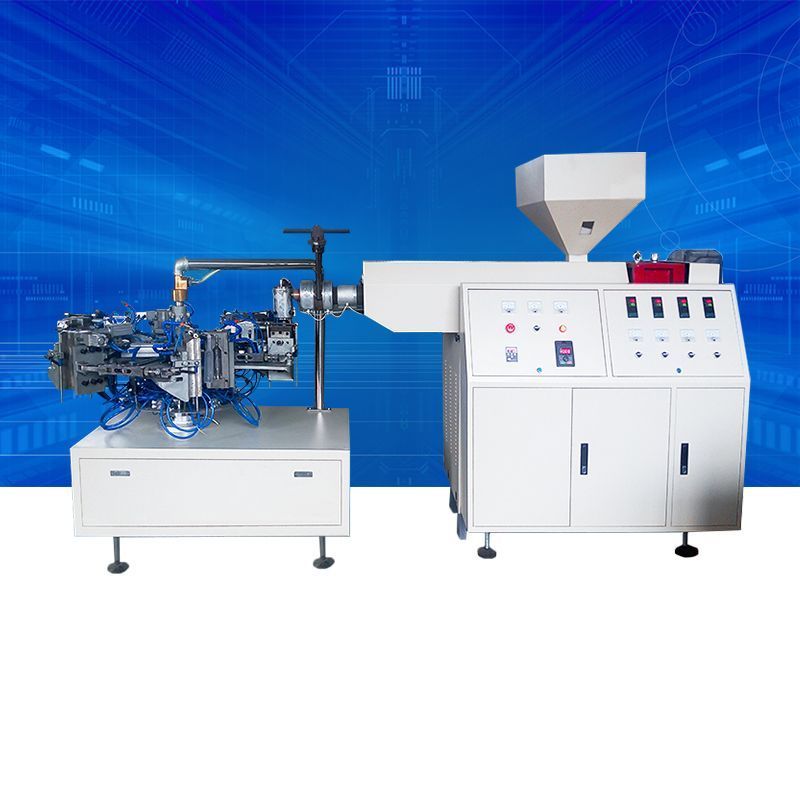
Here’s a simple flow chart illustrating the production process of semi-automatic versus automatic blow molding:
| Feature | Semi-Automatic | Automatic |
|---|---|---|
| Initial Cost | 30-50% lower | Higher |
| Setup Flexibility | High | Low |
| Operator Involvement | Moderate | Minimal |
| Quality Control | Higher oversight | Data-driven automation |
| Production Speed | Medium | High |
Semi-automatic blow molding machines often present lower maintenance costs and minimized downtime. Their simpler mechanics compared to automatic machines translate to fewer breakdowns and repairs, making them more reliable in the long term.
Data indicates that companies utilizing semi-automatic systems experience a 20% decrease in annual maintenance expenses compared to those using automatic systems, thus enhancing profitability.
In conclusion, businesses must weigh the advantages of semi-automatic blow molders against automatic options to determine what best suits their production needs. As manufacturers navigate cost efficiency, production flexibility, and quality control, a semi-automatic blow molder may emerge as the superior choice in various contexts. Cangzhou Yi Sunda Mechanical Technology Co.,LTD encourages manufacturers to analyze their specific operational requirements before making a decision.