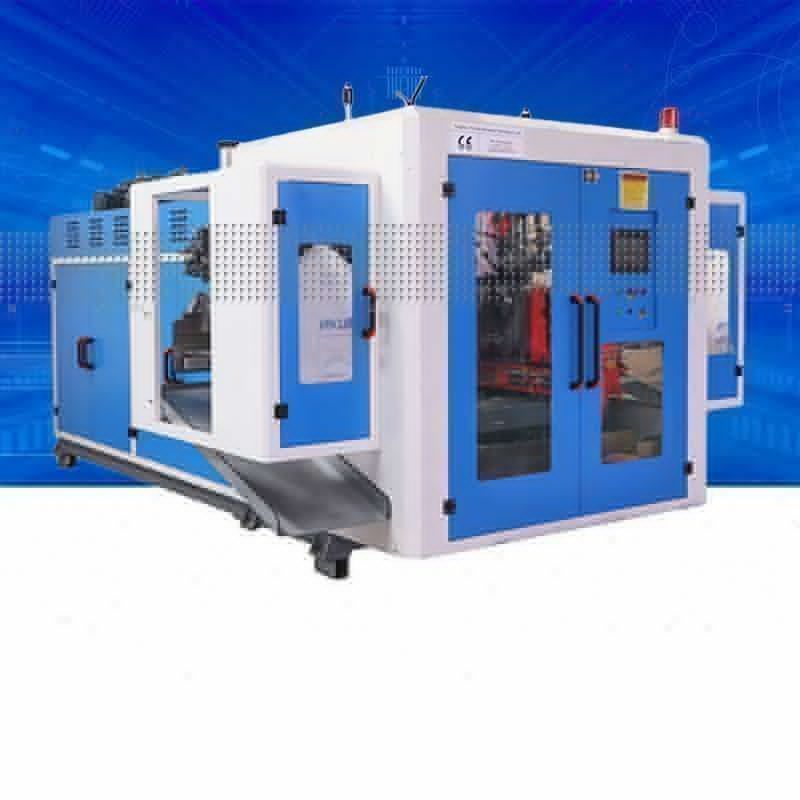
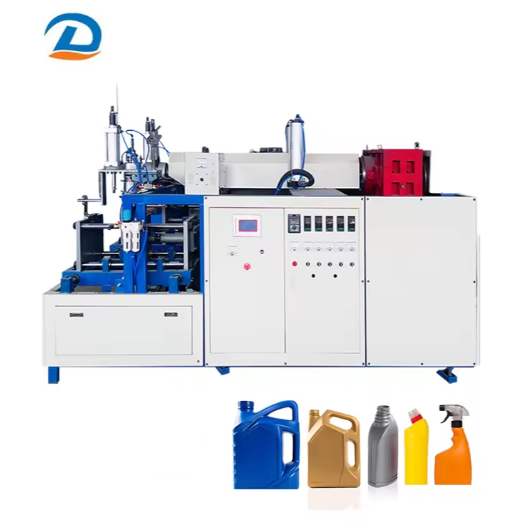
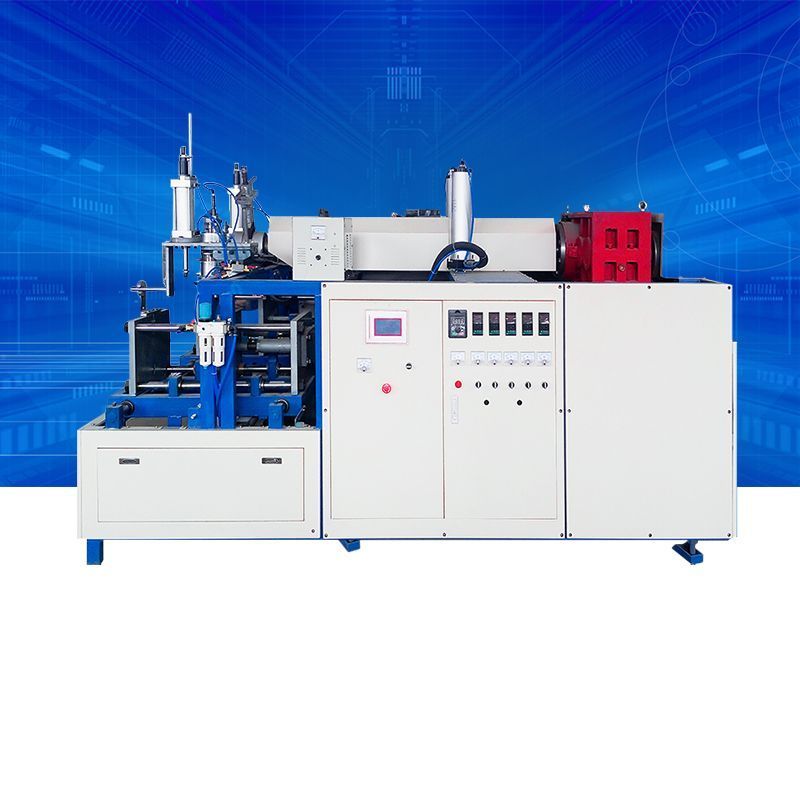
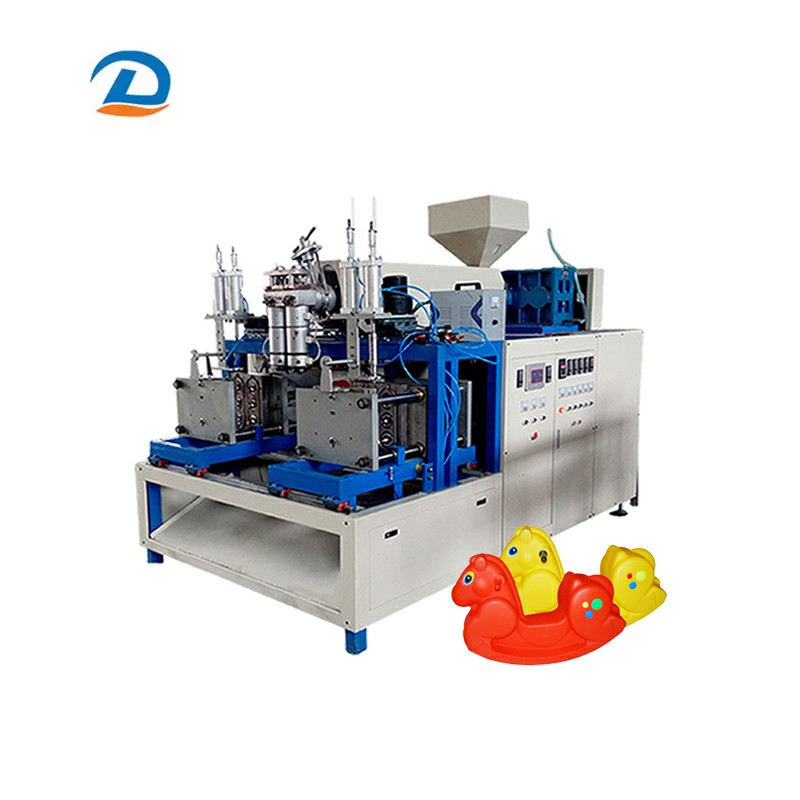
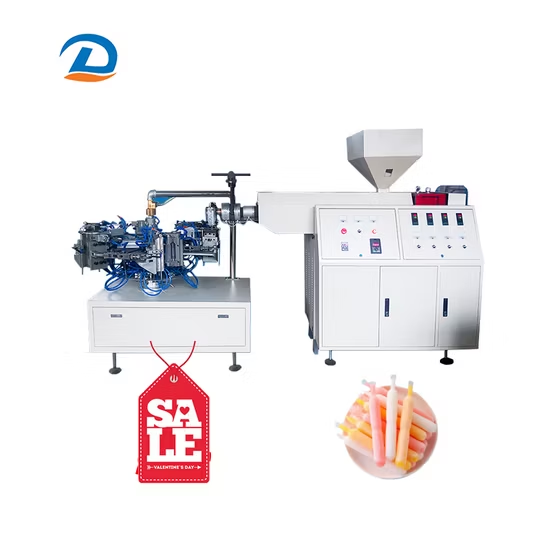
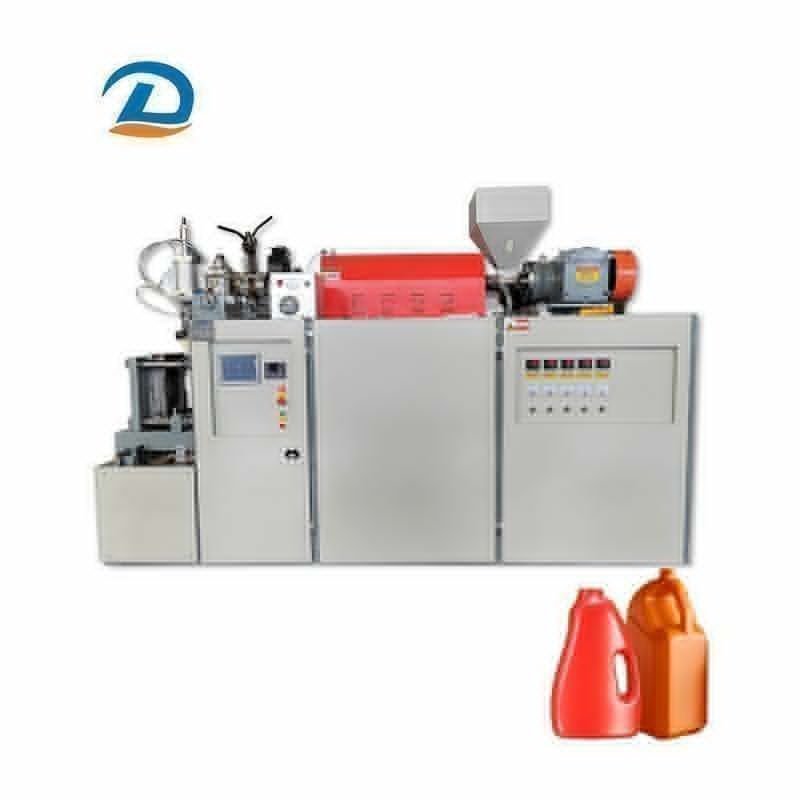
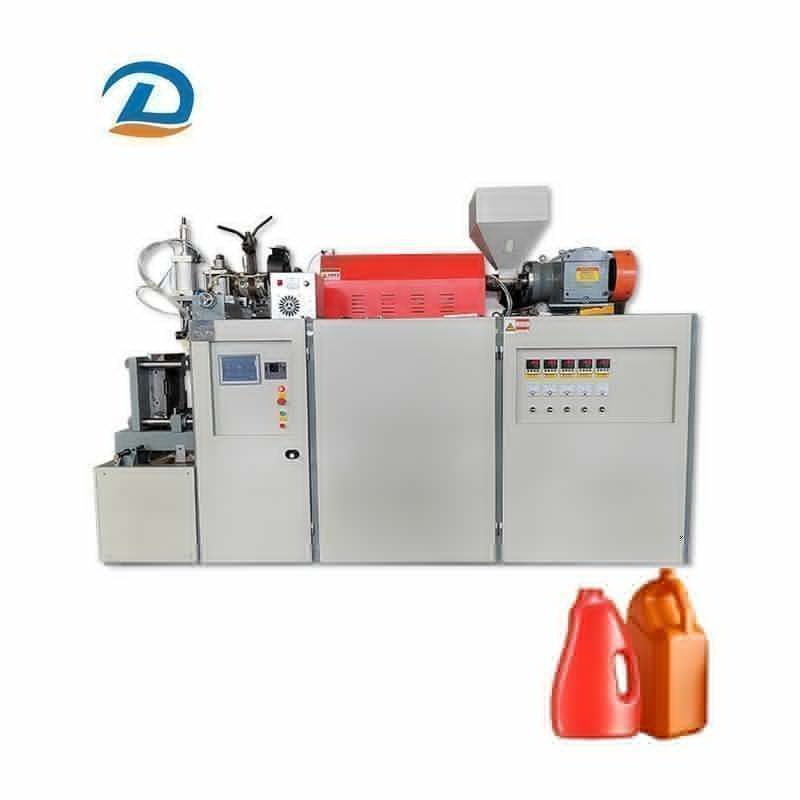
The core difference lies in how the preform is made and handled. Extrusion Blow Molding (EBM) extrudes a continuous or intermittent tube of molten plastic (the parison) vertically between two mold halves. The mold closes, pinches the bottom, and the parison is inflated. EBM is ideal for complex shapes, handles, large containers (like drums), and products where the mouth (neck) does not require high precision. It is generally more flexible for part design. Injection Blow Molding (IBM) is a two-stage process. First, a precise preform (including the finished neck threads) is injection molded onto a core rod. This preform is then transferred to a blow mold where it is inflated into its final shape. IBM is superior for producing small, high-precision containers like pharmaceutical and cosmetic bottles. It offers excellent neck finish, consistent wall thickness, and no pinch-off scrap (flash), making it cleaner and more material-efficient for certain applications. Choosing the process depends on your product: Use EBM for larger, more complex, or irregular parts. Use IBM for high-volume, small-to-medium containers where neck precision, clarity, and no scrap are critical.