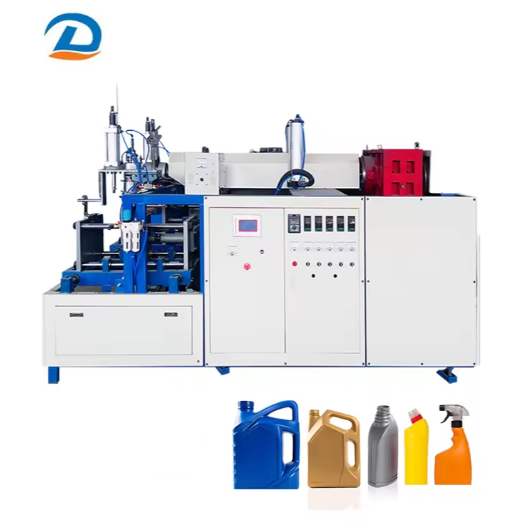
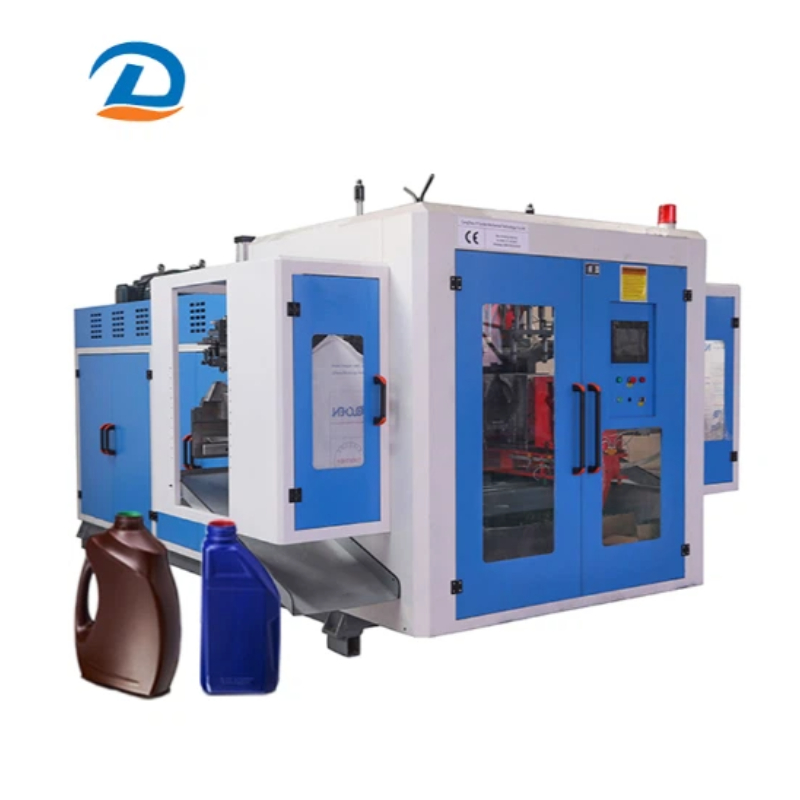
Parison control is arguably the most critical aspect of the extrusion blow molding process, as it directly dictates the material distribution in the final product. The parison is the preform from which the part is blown, and its thickness profile is not uniform. Sophisticated Parison Programming (or Wall Thickness Control) allows operators to dynamically adjust the die gap at hundreds of points along the parison's length as it is extruded. This is essential because when the parison is inflated, different sections stretch differently; the corners and shoulders of a bottle stretch more than the sidewalls. Without precise control, the parison would have a consistent thickness, leading to very thin walls in highly stretched areas and thick, wasteful walls in others. Effective parison control ensures that the right amount of material is placed in the right area of the preform, resulting in a finished product with uniform wall thickness. This maximizes material efficiency, minimizes weight, and, most importantly, ensures the part has consistent mechanical strength, top-load resistance, and barrier properties throughout its structure, preventing failures like buckling or permeation.