Aug 10, 2026
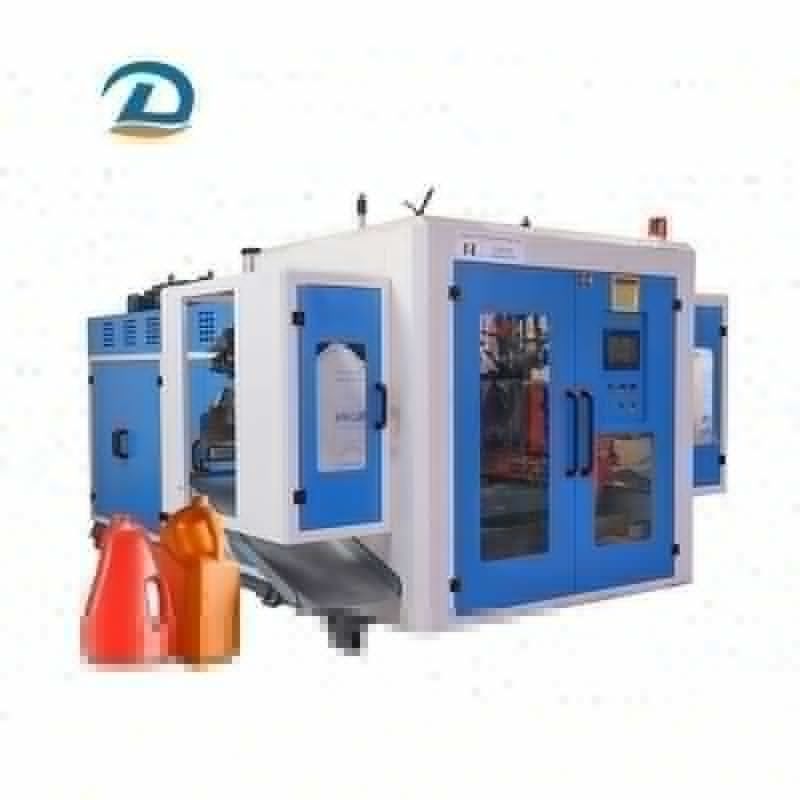
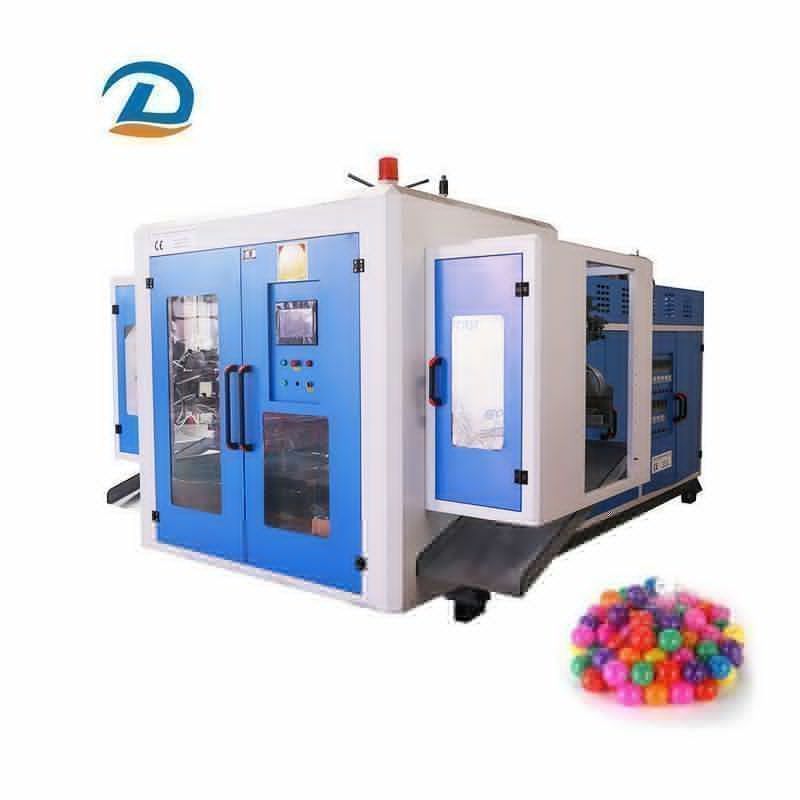
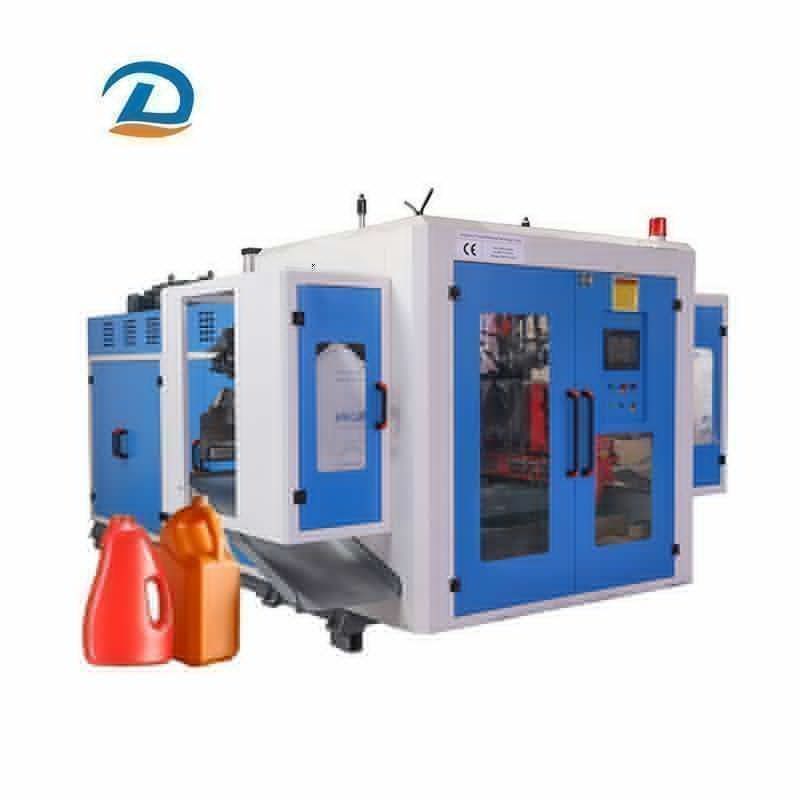
A blow molding machine is production equipment that heats thermoplastic resin, forms a parison, and uses compressed air to expand the material inside a mold to create hollow plastic products. For manufacturers producing bottles, jerrycans, drums, tanks, lubricant containers, pesticide bottles, or other hollow products, the correct machine directly affects output, wall-thickness uniformity, material consumption, energy use, and production stability. Yi Sunda provides extrusion blow molding solutions covering products from approximately 100 mL to 1,250 L, with configurations ranging from small semi-automatic machines to multi-layer and large-container systems.
The most important purchasing principle is simple: choose the blow molding process according to the product, rather than choosing a machine only by nominal output or purchase price.
A small HDPE bottle, a 25 L lubricant container, and a large plastic tank have very different requirements for:
Product volume and weight
Resin type
Parison diameter and length
Mold dimensions
Clamping force
Extrusion output
Blow pressure
Wall-thickness distribution
Automation level
Production cycle
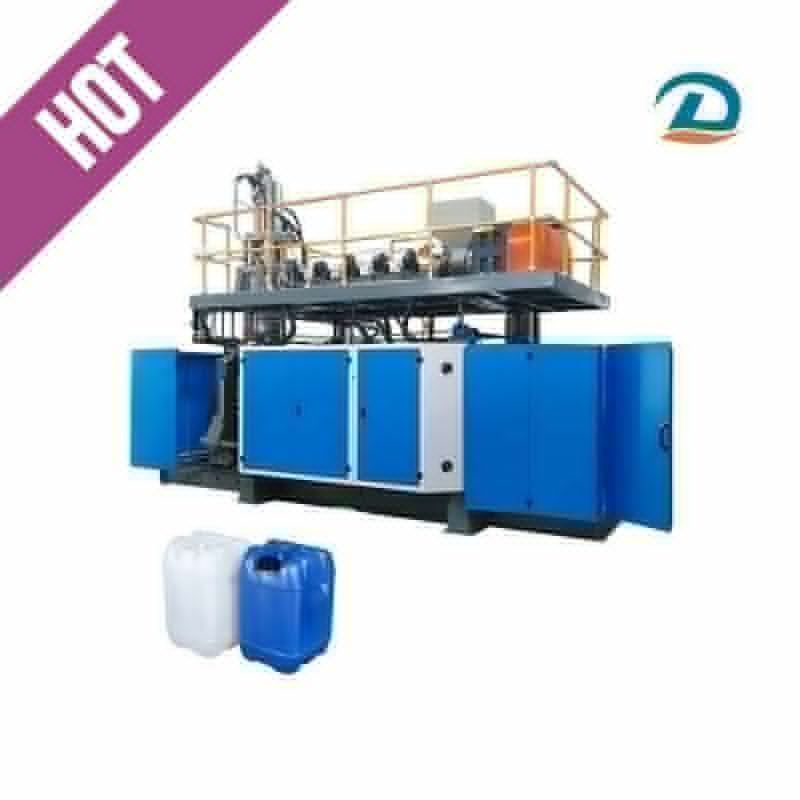
Yi Sunda's product range illustrates this application-based approach. Its YSD-PY2L small blow molding machine supports a maximum product volume of 2 L, while the YSD-PY20L is configured for larger 20–25 L containers. Large-container equipment is available for applications such as drums, tanks, and oversized hollow products.
For procurement teams, this means the first question should not be "How much does the machine cost?" but rather "What product must the machine manufacture, at what output, with what quality requirements?"
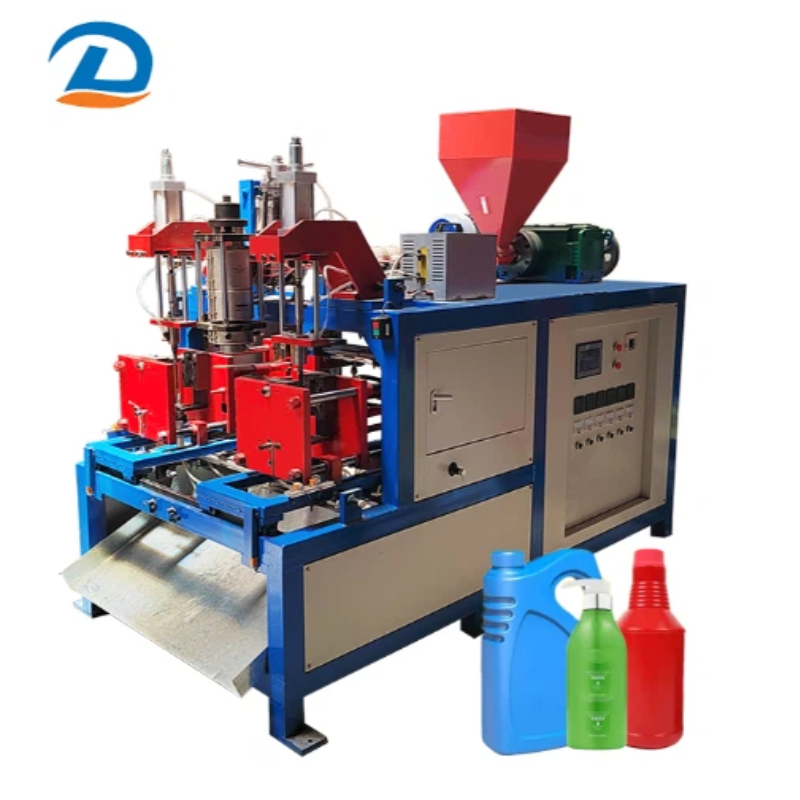
Small HDPE bottles are commonly used for detergents, cosmetics, chemicals, lubricants, and household products. These applications generally require stable extrusion, accurate mold positioning, repeatable cycle times, and reliable trimming.
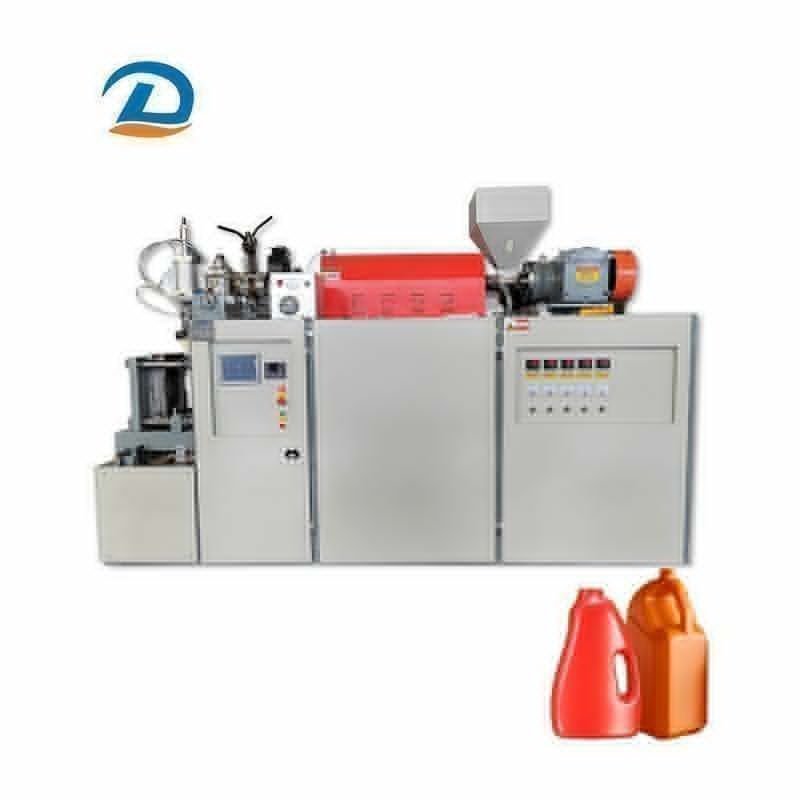
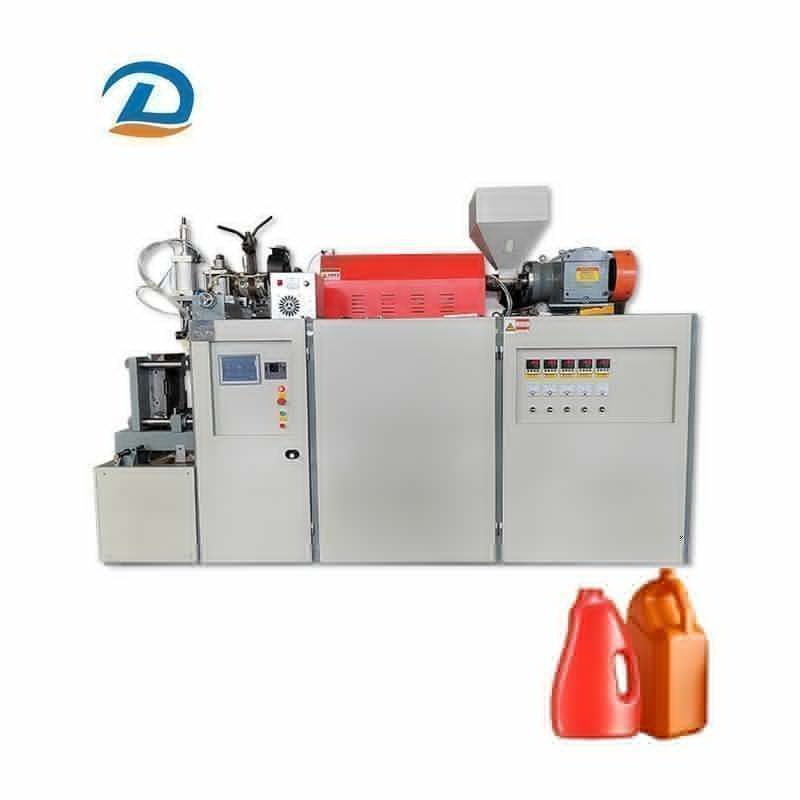
The Yi Sunda YSD-PY2L blow molding machine is designed for small hollow products and has a maximum product volume of 2 L. Its published configuration includes a 55 mm screw, up to 40 kg/h HDPE extrusion rate, 0.4–0.6 MPa blowing pressure, and a production capacity range of 150–300 pieces per hour depending on the production conditions and configuration.
For a buyer producing detergent bottles, for example, the priority should be stable bottle geometry and consistent wall thickness rather than simply maximizing theoretical cycle speed.
Larger containers place greater demands on extrusion capacity, mold clamping, parison control, and cooling.
Yi Sunda's YSD-PY20L blow molding machine supports 20 L products and provides 100 wall-thickness control points, hydraulic mold clamping, an HDPE maximum output of 65 kg/h, and a published blowing-pressure range of 0.4–0.6 MPa. Its configuration is suitable for PE and PP applications and is designed for large-volume packaging such as lubricant and chemical containers.
This type of configuration is particularly relevant to B2B buyers who need stronger containers while controlling resin consumption. Multi-point wall-thickness control can help distribute material more effectively in areas where the container requires additional structural strength.
Large hollow products require a different equipment strategy. Product dimensions can become the limiting factor, making mold size, clamping stroke, extrusion output, and parison control critical purchasing parameters.
Yi Sunda's larger blow molding solutions are designed for applications including plastic tanks, drums, mannequins, models, and other oversized hollow products. One published large-machine configuration provides up to 100-point axial wall-thickness control, while another YSD-PY20L configuration specifies a 250 L maximum container capacity depending on the machine configuration.
For large industrial containers, buyers should therefore evaluate the complete molding window rather than comparing machines only according to motor power.
| Application Scenario | Typical Material | Key Purchasing Concern | Suitable Yi Sunda Direction |
|---|---|---|---|
| Small detergent bottles | HDPE | Speed, stability, compact production | YSD-PY2L / small bottle equipment |
| Lubricant bottles | HDPE/PP | Wall thickness, bottle strength, repeatability | Automatic or semi-automatic extrusion blow molding |
| 20–25 L containers | HDPE/PP/LDPE | Extrusion output, mold size, wall-thickness control | YSD-PY20L |
| Large drums | PE/PP | Clamping force, parison control, cooling | Large-container blow molding |
| Plastic tanks | PE | Product volume and structural strength | Large hollow blow molding |
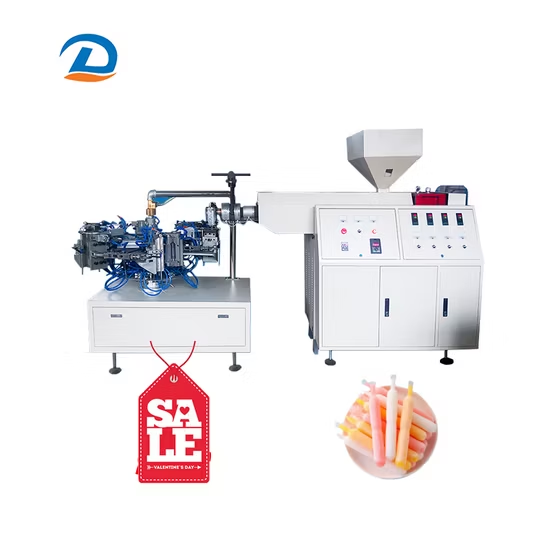
| Ice-pop tubes | LDPE/HDPE/PP | Continuous production and uniformity | Rotary or dedicated ice-pop equipment |
| Complex or oversized products | PE/PP/HDPE | Mold flexibility and thickness distribution | Customized large hollow solution |
The comparison shows why a "one machine fits all" purchasing strategy is usually inefficient. Yi Sunda offers extrusion blow molding equipment with different die-head, mold, automation, and capacity configurations so that the production system can be matched to the actual application.
Once the application has been defined, procurement teams should move from product requirements to measurable equipment parameters.
Machine capacity must exceed the actual container specification with an appropriate process margin. A machine designed for a 2 L product should not automatically be considered suitable for a 20 L container simply because both products use HDPE.
Extruder output determines how much molten resin can be supplied to the die head during each production cycle. For example, the YSD-PY2L specifies up to 40 kg/h HDPE extrusion output, while the YSD-PY20L specifies up to 65 kg/h.
Wall-thickness distribution is one of the most important quality indicators for blow-molded containers.
Insufficient material can create weak areas, while excessive material increases resin consumption and product weight. A machine with 100-point axial wall-thickness control can provide more detailed parison adjustment for demanding applications.
The mold must fit within the machine's available dimensions and clamping stroke. For large containers, clamping force and mold-opening space become particularly important.
Semi-automatic machines may be appropriate for smaller production volumes or applications requiring operator flexibility. Fully automatic systems become more attractive when labor costs, continuous production, and high-volume output are major purchasing considerations.
A machine can have impressive specifications and still be unsuitable if the final product does not meet the required quality criteria.
Procurement teams should request actual production trials and evaluate:
Container weight consistency
Wall-thickness distribution
Neck and mouth dimensions
Flash and trimming quality
Leakage performance
Surface appearance
Drop and impact performance
Production stability
Resin consumption
Rejection rate
For packaging applications, buyers can establish inspection procedures according to the applicable ASTM, ISO, or customer-specific specifications. The exact test method should be selected according to the finished product and end-use requirements rather than applying one standard to every plastic container.
This is particularly important for pesticide, chemical, lubricant, pharmaceutical, and food packaging, where container integrity can be directly connected to product safety and regulatory compliance.
A practical example can be seen in Yi Sunda's customer projects involving HDPE bottle production.
One customer from Brazil implemented a four-cavity fully automatic blow molding machine, while another customer from Southeast Asia worked with Yi Sunda on a plastic packaging project. Yi Sunda also documents a customer case involving a two-head HDPE bottle machine where technical support was used to address production problems.
These cases demonstrate an important procurement lesson: equipment selection should include process engineering and commissioning support, not simply machine delivery.
For a bottle manufacturer experiencing uneven wall thickness, for instance, the solution may involve adjusting parison programming, extrusion conditions, mold alignment, cooling, or process parameters rather than replacing the entire machine.
Yi Sunda's service process covers requirement communication, solution design, equipment R&D, installation and debugging, quality testing, shipment, installation, and after-sales support.
Actual user feedback can provide useful information that specifications alone cannot show.
Yi Sunda publishes customer evaluations covering several aspects of machine performance. A customer from Brazil highlighted molding accuracy, uniform wall thickness, and surface quality for mass production. Another customer from Cambodia described stable continuous operation and low maintenance costs. Customers from South Africa, Somalia, and Saudi Arabia also highlighted customized service, automation, and production efficiency.
These comments should not replace technical acceptance testing, but they provide useful purchasing clues:
Custom engineering matters when product geometry is unusual.
Wall-thickness uniformity matters for container quality.
Long-term stability matters more than short-term cycle speed.
After-sales support matters when equipment is installed overseas.
For serious procurement projects, buyer references should therefore be combined with machine trials, technical specifications, acceptance criteria, and total cost of ownership analysis.
Before requesting a quotation, prepare a technical requirement sheet containing:
Product name and application
Product volume and dimensions
Target product weight
Resin type and grade
Required production capacity
Number of cavities
Packaging or end-use requirements
Wall-thickness requirements
Factory power supply
Available floor space
Automation requirements
Expected future production expansion
This information allows Yi Sunda engineers to determine whether a standard machine or customized configuration is more appropriate.
For example, a buyer ordering a 25 L HDPE lubricant container machine should provide the container drawing, target weight, neck specification, required hourly output, resin grade, and expected working schedule. These details are much more useful for machine selection than simply stating "I need a 25 L blow molding machine."
Yi Sunda has more than 20 years of experience in the blow molding industry, more than 80 countries of export experience, and more than 3,000 reported successful installations. Its R&D team includes more than 10 people and works with universities on equipment development and utility-model patents.
Its quality-control process includes material selection, welding and painting procedures, component sourcing, factory inspection, and trial production before shipment. The company also provides technical support covering customized design, installation and commissioning, and after-sales service.
For B2B buyers, the value is therefore not limited to the blow molding machine itself. A suitable supplier should also help solve mold compatibility, process parameters, production commissioning, spare-parts requirements, and long-term maintenance.
The right blow molding machine is determined by the complete production equation: product + material + mold + output + wall-thickness requirements + automation + service.
Yi Sunda's portfolio covers small bottles, daily chemical packaging, lubricant containers, pesticide bottles, jerrycans, barrels, tanks, ice-pop tubes, and other hollow plastic products. Its equipment can be configured for different production volumes and applications, including multi-layer extrusion solutions.
If you are planning a new plastic container production line or replacing existing blow molding equipment, prepare your product drawing, resin information, target output, and required automation level before requesting a quotation. This allows Yi Sunda to evaluate the application and recommend a technically appropriate machine rather than simply offering the lowest-priced configuration.
Yi Sunda — Buy a Stable Blow Machine and Pay Less.
For machine selection, customized engineering, production-line consultation, or project quotation:
Email: manager@chinainjectionmachine.com
Website: www.ysdblowmachine.com